Should You Replace Your Old Water Filter with an Under Sink RO System?
Quick Answer
If your current water filter no longer improves drinking water taste, requires cartridge changes more often than the manufacturer recommends, or cannot reduce contaminants such as PFAS, lead, and fluoride, upgrading to an under sink RO system may provide more comprehensive water filtration and greater daily convenience for your household.
Most UAE households begin with a basic water filtration solution, such as a single-stage carbon filter or a simple under sink filtration unit. These filters serve a genuine purpose when properly maintained and when household demand stays low. Over time, though, needs change, water quality awareness grows, and the standard for what counts as truly clean drinking water quality shifts.
The question most homeowners eventually face is a practical one. Does the current water filter still meet the household's actual needs, or has the time come to consider a full reverse osmosis water filter?
This guide walks through the warning signs to watch for, what changes with an upgrade, and the right questions to ask before making that decision.
5 Signs Your Current Water Filter Is No Longer Meeting Your Household's Needs
Most homeowners can identify the majority of these signs through daily experience with their water, without needing a laboratory test.
Drinking Water Taste or Odor Has Returned to Pre-Filter Levels
A functioning under sink water filter should deliver consistent improvement in taste and odor. When chlorine smell, a metallic aftertaste, or flat-tasting water returns shortly after a filter change, the system is no longer performing as designed. This is one of the clearest signals that a filter has reached the end of its effective capacity or that the current system no longer suits the household's water quality conditions.
Cartridge Replacement Is Happening More Frequently Than Recommended
UAE tap water often contains higher levels of total dissolved solids (TDS) and sediment than the municipal water conditions many international filter manufacturers use for testing. Higher TDS levels and sediment can shorten filter life in some UAE households, making regular replacement more important than following a fixed schedule alone. Actual replacement intervals depend on water quality, usage, and the type of filtration system. Frequent replacement signals that the current system is working beyond its design capacity and may not be providing full filtration between changes. The Nadine Aqua filter replacement guide covers UAE-specific replacement schedules in practical detail.
The Current Filter Does Not Address PFAS, Lead, or Fluoride
Basic carbon filters and pitcher-style units remove chlorine and improve taste. According to the WHO Guidelines for Drinking-Water Quality, lead may enter drinking water through leaching from supply components such as older pipes, and the WHO notes that lead exposure presents a significant health concern, particularly for children and pregnant women. Carbon filters do not effectively reduce contaminants such as lead, fluoride, PFAS (per- and polyfluoroalkyl substances), heavy metals, or microplastics. If a household requires protection from these contaminants, a basic filter is not designed to provide it regardless of how frequently cartridges are replaced.
Bottled Water Purchases Have Increased Alongside Filter Use
When household members lose confidence in filtered water quality, bottled water tends to return to the weekly shopping routine. Regular bottled water purchases alongside a functioning filter usually signal that the current water filtration system is no longer meeting actual needs. Many households choose reverse osmosis systems as a practical alternative to bottled water because they provide consistently filtered drinking water at home. The Nadine Aqua bottled water vs. RO system comparison breaks down the long-term cost difference in detail and provides a strong case for treating filtered water as a genuine bottled water alternative.
Household Water Demand Has Outgrown the Current System's Capacity
A kitchen water filter suited to a household of two people may struggle with the daily demands of a household of five. Low flow rate, slow recovery between uses, and frequent output delays are practical signs that a system is undersized for current demand. An under sink RO system with a higher GPD (gallons per day) output resolves this directly without requiring a major kitchen modification.
What Actually Changes When a Household Upgrades to an Under Sink RO System
An upgrade from a basic filter to a reverse osmosis system changes both what the filter removes and how the household experiences water quality on a daily basis.
A standard carbon filter works through contact. Water passes through activated carbon that absorbs chlorine, some organic compounds, and certain taste-affecting substances. This approach produces a real improvement over unfiltered tap water. The scope, however, is limited to what carbon can absorb.
A reverse osmosis water filter forces water through a semi-permeable membrane rated at 0.0001 microns. This membrane blocks dissolved contaminants that carbon filters cannot address. These contaminants include lead, fluoride, PFAS, heavy metals, nitrates, and microplastics. A quality multi-stage filtration system then passes the filtered water through additional post-carbon and remineralization stages, restoring essential calcium and magnesium before water reaches the kitchen tap.
In UAE homes where water passes through rooftop storage tanks before reaching the kitchen, bacteria can enter the water supply after the municipal treatment stage. An under sink water filter that includes UV sterilization addresses this gap directly at the point of dispense.
A properly selected multi-stage reverse osmosis system provides broader contaminant reduction and more consistent drinking water quality than most basic filtration systems.
Basic Water Filter vs Under Sink Water Filter: A Side-by-Side Comparison
| Feature | Basic Water Filter | Under Sink RO System |
|---|---|---|
| Chlorine and odor reduction | ✅ Yes | ✅ Yes |
| Lead and fluoride removal | ❌ No | ✅ Yes |
| PFAS removal | ❌ No | ✅ Yes |
| Microplastic reduction | ⚠️ Partial | ✅ Yes |
| Heavy metals removal | ❌ No | ✅ Yes |
| UV sterilization | ❌ No | ✅ Standard on select models |
| Alkaline remineralization | ❌ No | ✅ Included in multi-stage systems |
| Real-time TDS monitoring | ❌ No | ✅ Via smart digital display |
| Flow rate | Low to moderate | Up to 1,000 GPD |
| Filter replacement frequency in UAE | Varies by usage | Varies by filtration stage |
| Certifications | Variable | CE, UKCA, NSF on quality systems |
| Long-term cost vs bottled water | Moderate saving | Significant saving |
Six Questions to Ask Before Upgrading a Kitchen Water Filter
These questions help a household assess whether an upgrade addresses a genuine need or whether adjusting the current filter schedule is a sufficient step.
What contaminants does the current filtered water actually contain?
A TDS meter provides a useful starting point but does not identify specific contaminants. A full water quality test reveals what the current filter is and is not addressing. If lead, PFAS, or fluoride appear in the results, a carbon filter cannot resolve these contaminants regardless of how recently the cartridge was changed.
How often does the current system require cartridge replacement?
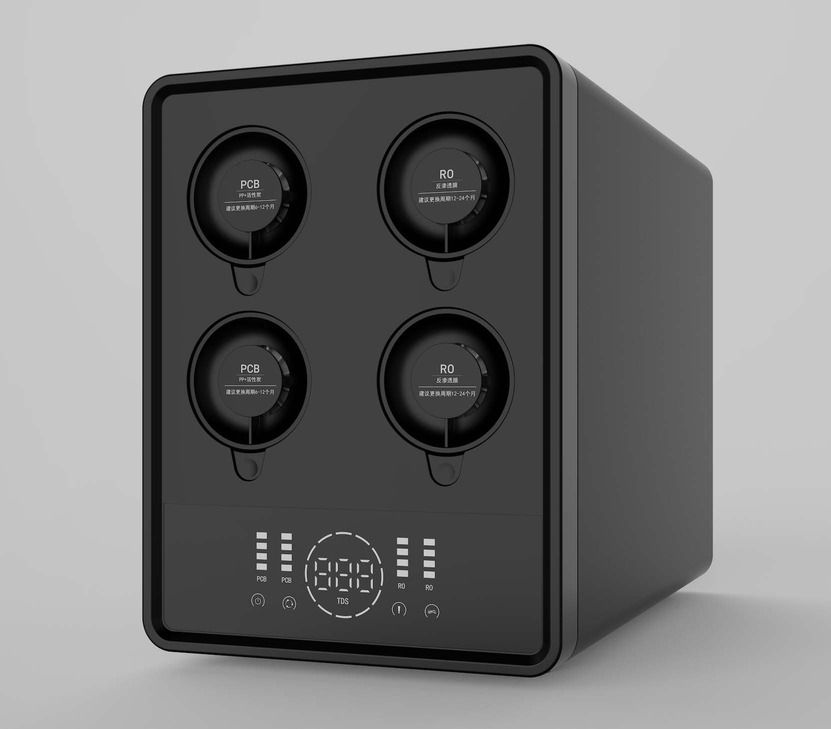
Cartridges that need replacing more frequently than the manufacturer recommends indicate that the current system is being overwhelmed by water conditions. An RO water filter with a smart display tracks each filtration stage individually and alerts the household when each stage needs attention.
Does the current system include UV sterilization?
UAE homes where water passes through rooftop storage tanks face bacteria risk after the municipal treatment stage. Basic filters and entry-level RO water filters without UV sterilization do not address this concern. A system that includes UV sterilization at the point of dispense eliminates this gap.
How many people does the current system need to serve daily?
A system with a low daily output struggles to meet the needs of a larger household. Upgrading to a higher-flow under sink RO system ensures clean drinking water is available on demand for every household member without the lag that affects smaller or tank-based systems.
Are bottled water purchases still a regular part of the weekly routine?
Regular bottled water purchases alongside a functioning filter indicate that the current system is not trusted to meet daily needs. A water filtration system that provides consistently filtered drinking water can reduce reliance on bottled water while eliminating the ongoing cost and inconvenience of buying plastic bottles.
Does the available under sink space allow for a full system?
Modern tankless under sink water filters save up to 70% of under sink cabinet space compared to traditional tank-based systems. Space is rarely a genuine barrier with today's compact designs, even in smaller UAE apartment kitchens.
Which UAE Households Benefit Most from a Reverse Osmosis Water Filter
Families with Young Children
Children face greater sensitivity to contaminants including lead, chlorine byproducts, and PFAS. According to the WHO drinking water fact sheet, lead exposure in drinking water carries a particular health concern for young children. A multi-stage filtration system with alkaline remineralization delivers clean drinking water suitable for drinking, cooking, and baby formula preparation without relying on bottled water.
UAE Apartment Residents
Rooftop storage tanks are standard in UAE apartment buildings. Bacteria risk after the municipal treatment stage is a genuine concern for apartment households. A compact, tankless under sink water filter with UV sterilization addresses this directly and fits neatly under a standard apartment kitchen sink without modification.
Villa Residents with High Daily Water Demand
Larger UAE households benefit from higher-flow systems with output rates of 800 to 1,000 GPD. These systems deliver water on demand without the recovery delay that limits smaller systems, making the filtration system genuinely invisible in day-to-day use.
Heavy Bottled Water Users
Households that regularly purchase bottled water often find that an under sink RO system can reduce long-term drinking water costs while providing a more convenient source of filtered water. Many households choose reverse osmosis systems as a practical alternative to bottled water because they provide consistently filtered drinking water at home while reducing reliance on single-use plastic bottles.
How Nadine Aqua Systems Address These Needs
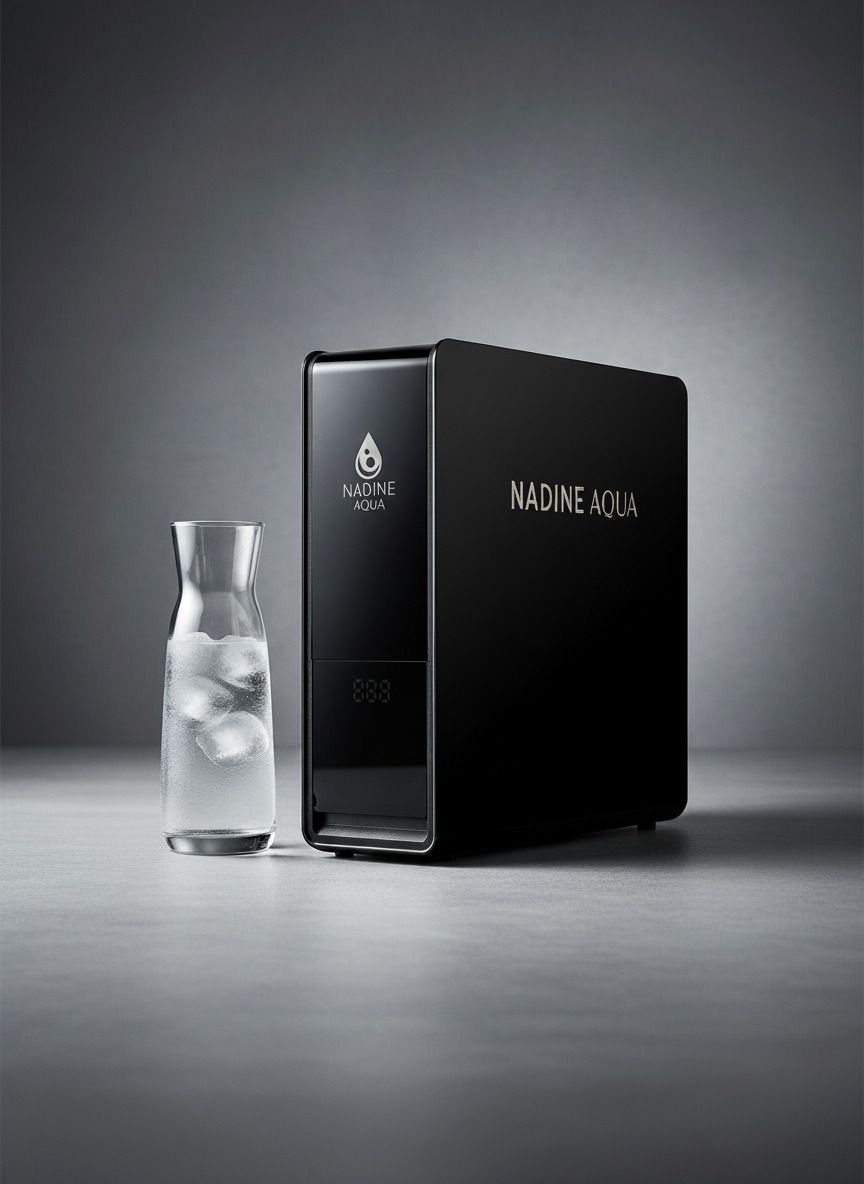
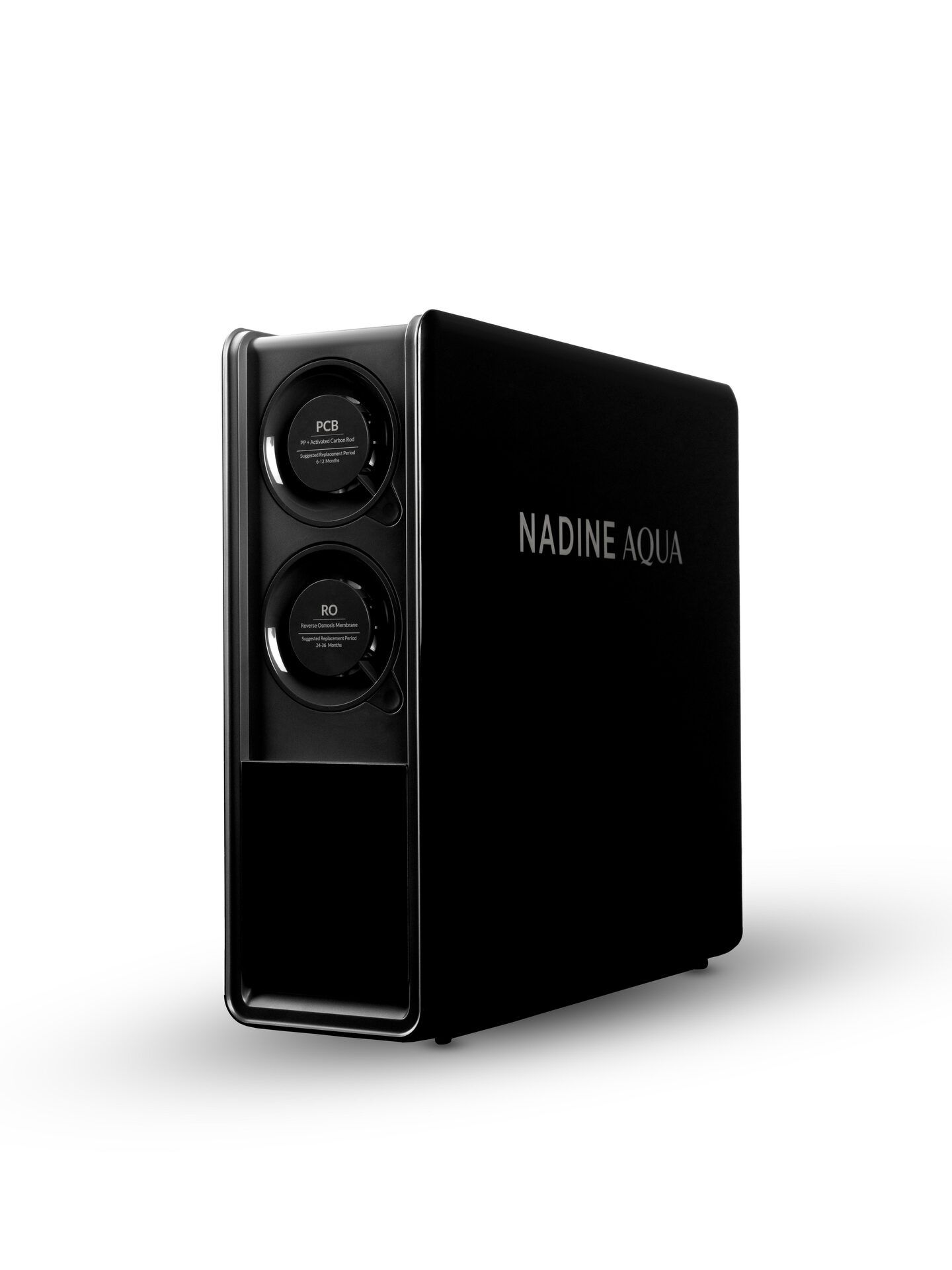
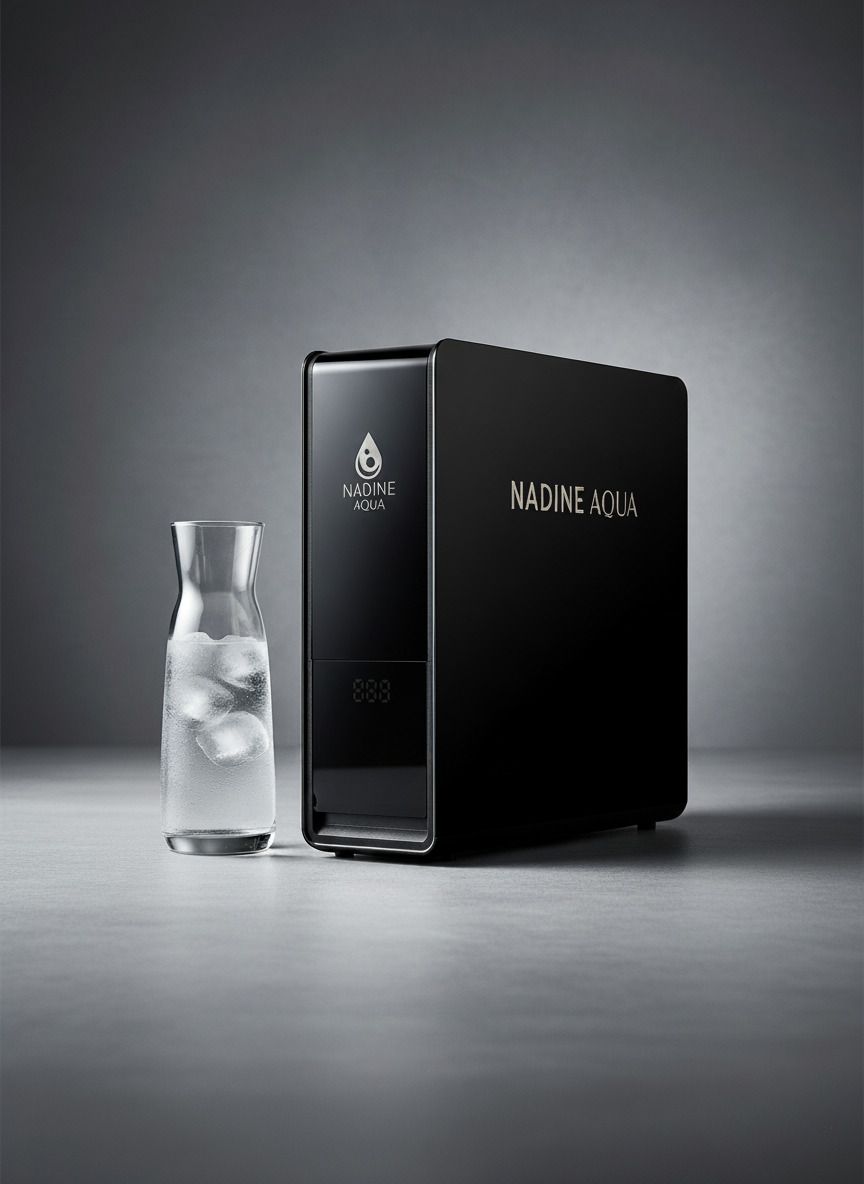
Nadine Aqua designs under sink water filters specifically for UAE water conditions. Nadine Aqua’s product range includes 11-stage reverse osmosis filtration, tankless designs, alkaline remineralization, and models with features such as UV LED sterilization and smart digital faucet monitoring, depending on the model selected. Flow rates start at 800 GPD for household use and reach 1,500 GPD for commercial environments.
If a household currently uses a basic water filter and the signs described in this guide are present, a Nadine Aqua reverse osmosis system provides broader filtration than most basic water filters while combining multiple treatment technologies in one system. The dual outlet design provides separate water outlets for drinking and everyday kitchen use from a single tap.
Explore the full range of Nadine Aqua products.
Frequently Asked Questions
What practical steps should a UAE household take after deciding to upgrade to an under sink RO system?
Start by measuring the available space under the kitchen sink to confirm a standard compact system will fit. Next, identify whether the existing cold water supply line under the sink can accommodate a standard filter connection, which is the case in most UAE kitchens. Check the certifications on any system being considered, specifically NSF, CE, and UKCA. Order a TDS meter to establish a baseline reading before installation so improvement is measurable from the first day.
Is water from a reverse osmosis water filter safe for making baby formula in a UAE home?
Yes. Water from a properly functioning reverse osmosis water filter with remineralization is well suited for baby formula preparation. The RO membrane helps remove lead, fluoride, PFAS, heavy metals, and microplastics. The remineralization stage then restores essential calcium and magnesium in balanced amounts. For UAE homes with rooftop storage tanks, a system that includes UV sterilization provides an additional layer of protection against bacteria at the point of dispense.
What is Nadine Aqua and what type of water filtration systems does the brand offer for UAE homes?
Nadine Aqua is a UAE-based water filtration brand designing under sink water filters specifically for UAE tap water conditions. The product range includes household models with flow rates of 800 GPD and 1,000 GPD, and a commercial model rated at 1,500 GPD. Nadine Aqua offers a range of under sink reverse osmosis systems featuring 11-stage filtration, tankless design, alkaline remineralization, and selected models with UV LED sterilization and smart digital faucet technology. Product features vary by model. Nadine Aqua systems are manufactured to recognised certification standards, including CE, UKCA, and NSF certifications where applicable.
Does a Nadine Aqua under sink RO system require professional installation in a UAE home?
Nadine Aqua systems are designed for straightforward installation using standard kitchen plumbing. Installation support is also available for homeowners who prefer professional assistance. Nadine Aqua systems are supplied with components designed for standard UAE kitchen plumbing. Installation details may vary depending on the model selected. The compact, tankless design connects to the existing cold water supply line under the sink and requires a single faucet point on the counter or sink. Nadine Aqua also offers local UAE installation support for households that prefer a professional setup.
How does a Nadine Aqua reverse osmosis system handle the bacteria risk from UAE rooftop storage tanks?
Selected Nadine Aqua under sink water filters include a UV LED sterilization module that activates at the point of dispense. UV sterilization destroys bacteria and viruses without chemical additives, addressing the specific concern of bacteria entering water through rooftop storage tanks after the municipal treatment stage. This makes Nadine Aqua systems particularly relevant for UAE apartment residents where rooftop tanks are part of the standard building water supply. Learn more about how the filtration stages work together on the Nadine Aqua products page.
How does switching from bottled water to an under sink RO system affect a UAE household's monthly spending?
The ongoing cost of filter cartridge replacement for a quality under sink water filter is a fraction of continuing bottled water purchases. Many UAE households find that switching from bottled water to a reverse osmosis system can reduce long-term drinking water costs while providing a more convenient daily water supply. Beyond the cost savings, an under sink RO system reduces reliance on bottled water, eliminates the need to store plastic bottles at home, and provides consistently filtered drinking water on demand. The Nadine Aqua cost comparison guide breaks this down in full detail.