How Clean Drinking Water Impacts Long-Term Family Health
Water is the one thing every member of a household consumes multiple times a day, every single day, for an entire lifetime. Small differences in water quality, easy to overlook in the moment, accumulate into meaningful health effects over years of consistent exposure.
The health benefits of clean drinking water for UAE families go beyond simply avoiding illness. Consistent access to properly filtered water supports everything from digestion to skin health across every age group in a household.
Clean drinking water supports long-term family health by reducing exposure to contaminants that accumulate in the body over time, supporting proper hydration and digestion, and contributing to healthier skin and hair. Because water consumption happens daily and over a lifetime, even small improvements in water quality compound into meaningful long-term health benefits for every household member.
Why Daily Consumption Makes Water Quality Matter More Than People Realize
A single glass of lower-quality water isn't going to cause noticeable harm. The concern lies in cumulative exposure across years of daily drinking, cooking, and food preparation using the same water source.
Purified water health benefits become more apparent over longer time horizons rather than immediately, which is part of why water quality often gets deprioritized compared to more visible health concerns.
Toxin Exposure and Long-Term Health
Water purification health impact research generally points to reduced exposure to heavy metals, certain chemical compounds, and bacterial contaminants as a meaningful factor in long-term wellness. Toxin-free water consumption matters particularly for:
- Children, whose smaller body mass means contaminant exposure has a proportionally larger impact
- Pregnant women, where certain contaminants carry specific developmental concerns
- Elderly family members, who may have reduced capacity to process certain toxins efficiently
- Anyone managing existing health conditions where additional toxin exposure adds unnecessary burden
| Family Member | Why Water Quality Matters More |
|---|---|
| Infants/young children | Smaller body mass, developing systems |
| Pregnant women | Developmental sensitivity to certain contaminants |
| Elderly | Reduced processing capacity for toxins |
| Anyone with health conditions | Reduced tolerance for additional exposure |
Hydration Quality, Not Just Quantity
Long-term hydration health isn't only about drinking enough water. It's also about what's in that water. Water that tastes unpleasant due to chlorine, minerals, or odor often leads to people drinking less of it overall, inadvertently reducing hydration simply because the water isn't appealing to drink regularly.
Purified water machines for homes that improve taste through proper filtration and mineral balancing often see households naturally increasing their water intake, since the water becomes more pleasant to drink throughout the day.
Skin, Hair, and Digestive Health Connections
Home water filtration benefits extend beyond what's consumed internally. Water used for cooking, washing produce, and bathing all contribute to overall exposure and household wellness:
- Reduced mineral buildup on skin can ease dryness and irritation over time
- Cooking with filtered water can affect the taste and quality of food preparation
- Washing produce with cleaner water reduces additional contaminant exposure from food preparation
Building Healthy Hydration Habits as a Family
Immune system hydration support starts with making clean water the easy, default choice at home. Families with accessible, good-tasting filtered water at the tap, rather than relying solely on bottled water, often find it easier to maintain consistent hydration habits across all family members, including children who may resist drinking water that tastes off.
Checklist: Supporting Family Health Through Water Quality
- Test home water quality periodically to understand baseline contaminant levels
- Prioritize filtration upgrades especially in households with infants, elderly members, or health conditions
- Pay attention to whether family members are drinking less water due to taste issues
- Consider filtration that improves taste, not just removes contaminants, to encourage better hydration habits
- Use filtered water consistently for cooking and food preparation, not just drinking
Key Takeaways
Daily, lifelong water consumption means even small quality improvements compound into meaningful long-term health benefits. Children, pregnant women, and elderly family members face proportionally higher impact from water contaminants. Better-tasting filtered water often leads to naturally improved hydration habits across a household. Water quality affects more than drinking alone, extending to cooking, food preparation, and bathing.
Supporting Family Wellness Through Better Water
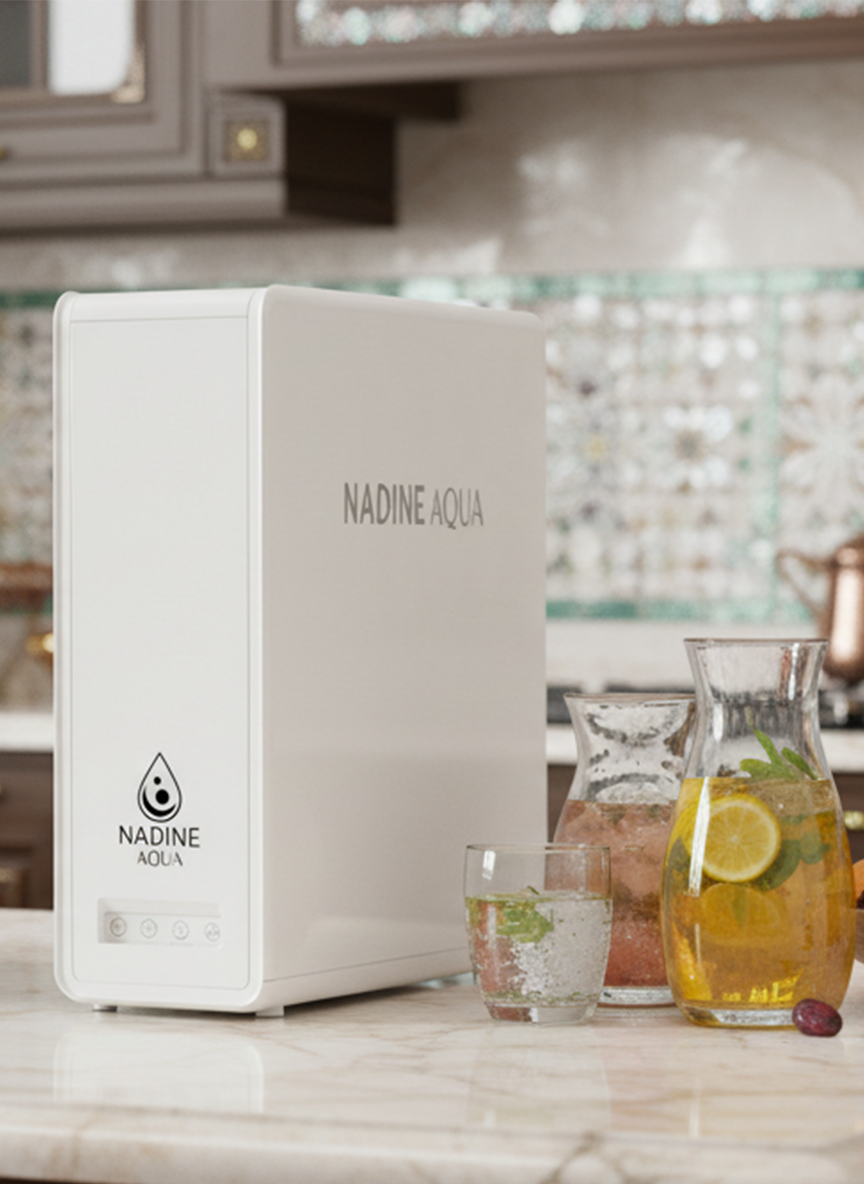
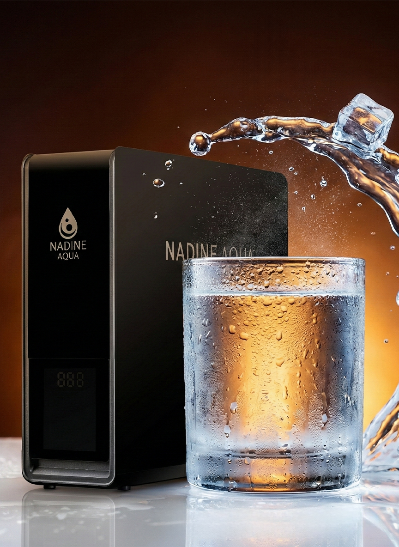
Nadine Aqua provides multi-stage water filtration systems for UAE homes, designed to remove contaminants while improving taste through mineral balancing, helping families build consistent, healthy hydration habits that support long-term wellness across every generation in the household.
Frequently Asked Questions
How much of an impact does water quality actually have compared to diet and exercise?
Water quality is one factor among many contributing to overall health, and it works alongside diet and exercise rather than replacing their importance. Its specific contribution lies in reducing cumulative toxin exposure over a lifetime of daily consumption.
Is bottled water automatically safer than filtered tap water?
Not necessarily. Bottled water quality varies by brand and source, and some studies have found bottled water containing similar or even comparable contaminant levels to tap water. A good home filtration system often provides more consistent, verifiable quality than assuming bottled water is automatically safer.
Do children need different water quality standards than adults?
Children aren't held to separate official water standards, but their smaller body size means the same contaminant level has a proportionally greater health impact compared to an adult, making water quality particularly relevant for households with young children.
Can poor water quality affect digestion specifically?
Some people report digestive discomfort linked to certain water contaminants or high mineral content, though individual sensitivity varies significantly. Switching to filtered water sometimes resolves mild, unexplained digestive symptoms for some individuals.
How quickly can a family notice health improvements after switching to filtered water?
Some changes, like improved taste leading to better hydration, can be noticed within days. Other potential benefits related to reduced long-term toxin exposure typically aren't immediately noticeable, since they relate to cumulative effects over months and years rather than an immediate change.
Does the source of tap water (well versus municipal) change how important filtration is?
Well water and municipal water can both carry different contaminant risks. Well water often has more variable mineral and bacterial content depending on the source, while municipal water typically undergoes treatment but can still carry chlorine byproducts or aging infrastructure contaminants, making filtration relevant for both source types.