Bottled Water vs RO System in UAE: Real Cost Comparison for Families
Most UAE families spend more on drinking water than they realise. It happens gradually. A few bottles here. A large gallon there. A monthly subscription that seemed reasonable when you signed up. Add it all up across a year and the number surprises most people. At the same time, water filtration systems have become more affordable, more compact, and better suited to UAE homes than ever before. But many families have not done the actual comparison. They stick with bottled water because it feels familiar and straightforward.
This blog lays out what bottled water actually costs a UAE family over time, what a home reverse osmosis system costs to install and run, and which option makes more sense when you look at the full picture.
This blog covers:
- The real annual cost of bottled water for UAE families
- What a home RO system costs to buy and maintain
- A direct cost comparison across one, three, and five years
- Hidden costs most families overlook
Which option delivers better value and better water quality
What UAE Families Actually Spend on Bottled Water
Bottled water cost in the UAE varies depending on whether you buy small individual bottles, large 5-litre bottles from the supermarket, or 19-litre gallon deliveries to your home.
A family of four typically drinks between eight and twelve litres of water per day, counting cooking, drinking, and making hot drinks. Over a month, that adds up to roughly 240 to 360 litres of consumed water.
If you rely on 19-litre gallons delivered to your door, you might go through fifteen to twenty gallons a month. At around AED 10 to AED 15 per gallon depending on your supplier, that is AED 150 to AED 300 per month, or AED 1,800 to AED 3,600 per year.
Families who buy smaller bottles from supermarkets spend considerably more per litre. A 1.5-litre bottle at AED 1 to AED 2 means you pay AED 0.67 to AED 1.33 per litre. A 19-litre gallon at AED 12 costs AED 0.63 per litre. The difference compounds quickly across a year.
Add the cost of the cooler or dispenser, electricity to run it, and the time spent ordering, receiving, and storing gallons, and the real cost climbs further.
What a Home RO System Costs to Buy and Run
A quality reverse osmosis water system in the UAE has an upfront cost. That is the number most families see first and compare directly to a monthly water bill. But the comparison only makes sense when you spread the system cost across its full lifespan.
A mid-range to premium under-sink RO system in the UAE costs between AED 2000 and AED 3,000 depending on the brand, the number of filtration stages, and the features included. Professional installation typically adds AED 150 to AED 300.
After that, ongoing costs come from filter replacements. Most systems require filter changes every six to twelve months. Replacement filter sets typically cost between AED 150 and AED 350 per year depending on the system.
Electricity consumption is minimal. RO systems only draw power during filtration, and the draw is small.
Total five-year cost for a quality home RO system: approximately AED 2,500 to AED 4,500 including purchase, installation, and five years of filter replacements.
Total five-year cost for bottled gallon delivery for a family of four: approximately AED 9,000 to AED 18,000.
The Five-Year Comparison for Water Filtration Systems in UAE Homes
Year 1 Year 3 Year 5
Bottled gallon delivery AED 2,400 AED 7,200 AED 12,000
Home RO system AED 3,000 (inc. setup) AED 3,600 AED 4,200
By year two, most families with a home water filtration comparison in hand break even on the RO investment. From year three onward, the savings grow every single month.
Drinking water expenses in the UAE through bottled delivery keep climbing because the cost never decreases. The RO system cost does the opposite. After the initial purchase, only filter replacements remain. And those stay predictable and low.
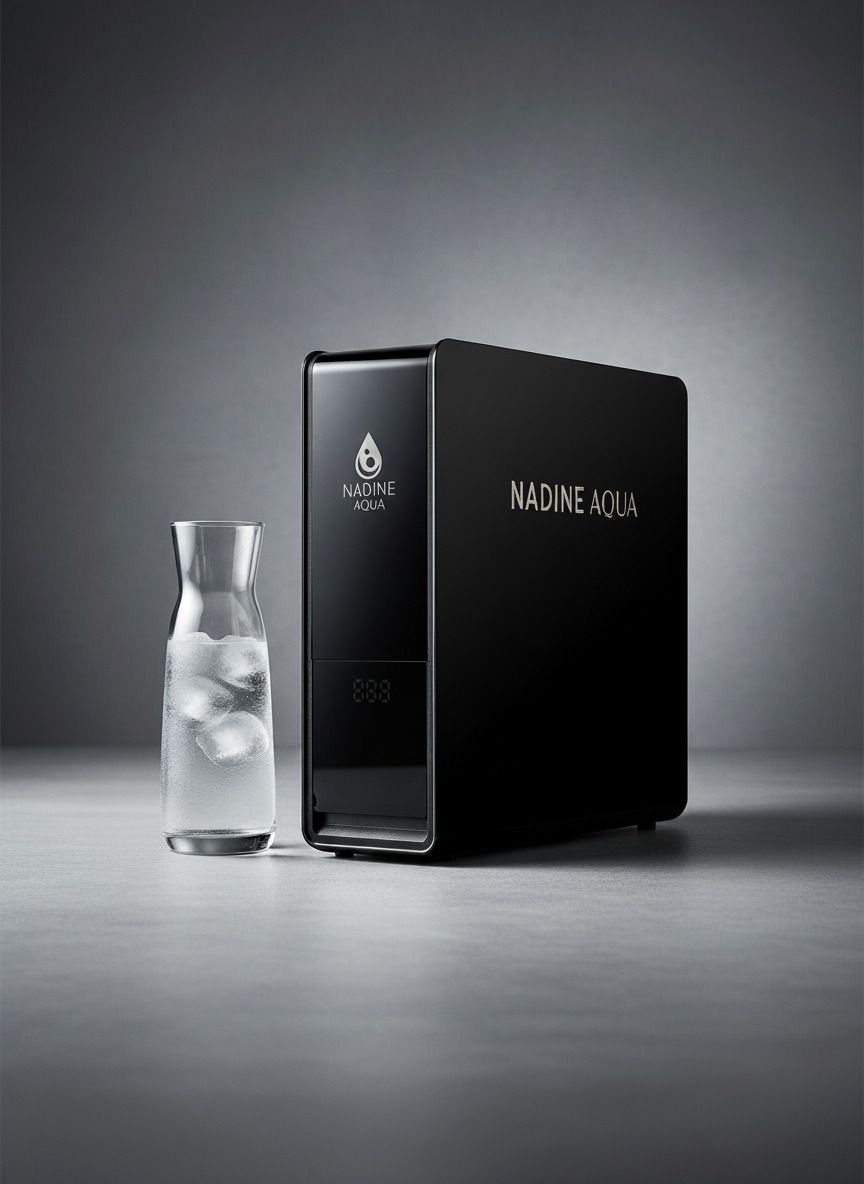
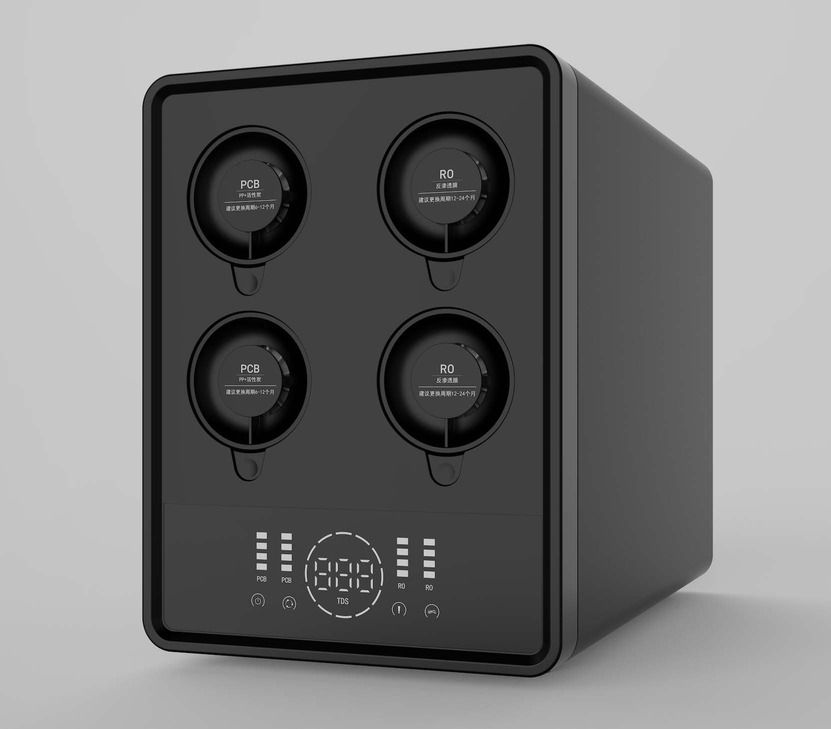
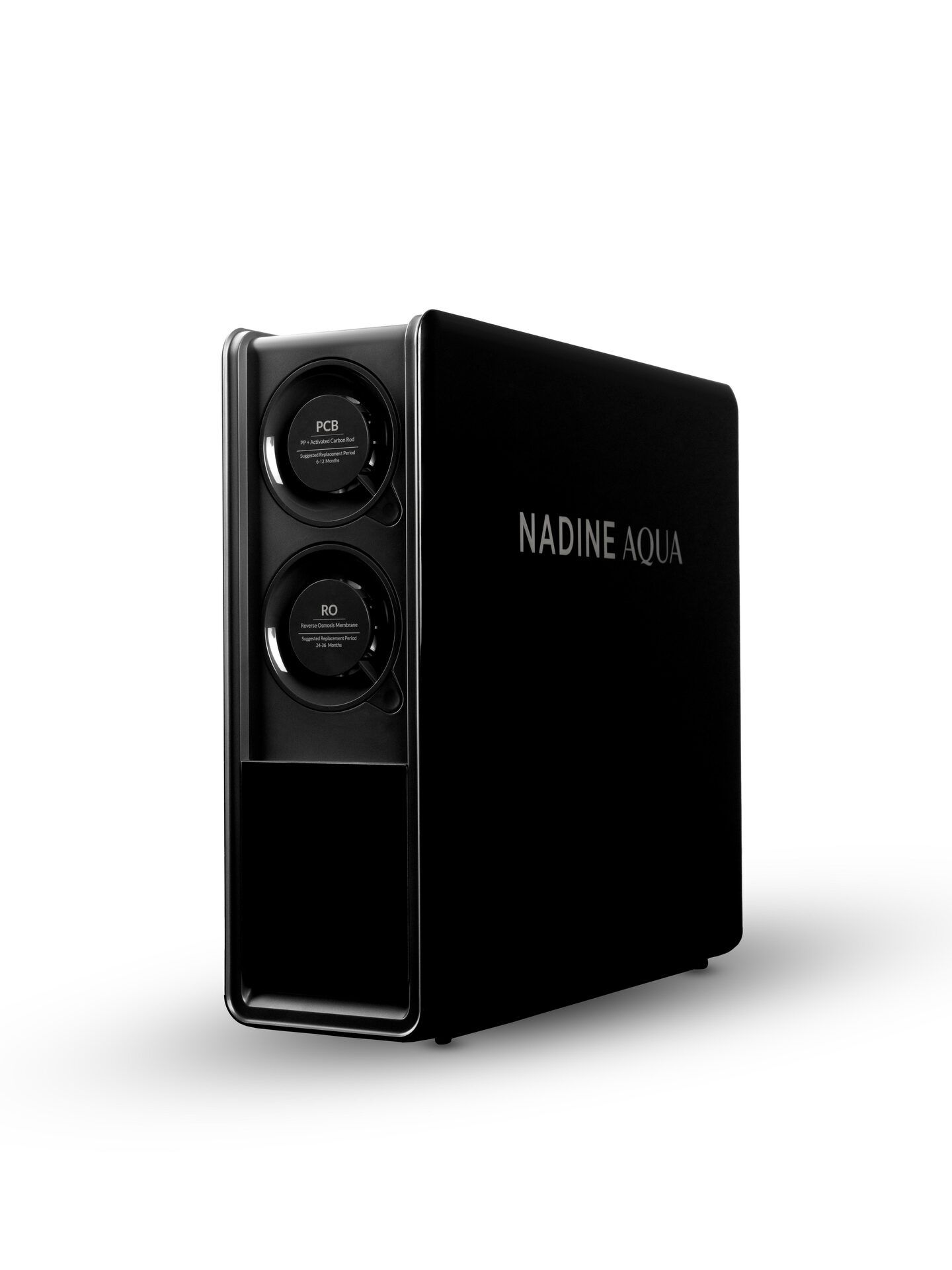
Nadine Aqua's compact under-sink systems save up to 70% of under-sink space compared to traditional tank-based systems, which also means installation is simpler and faster. Their smart faucet models with digital indicators remove the guesswork from filter replacement timing, so you never overspend on premature changes or underspend and compromise water quality.
Hidden Costs Most Families Overlook
The direct cost comparison already favours a home filtration system. But a few hidden costs make the gap even wider.
Storage space. Gallons take up room. A family that goes through fifteen to twenty gallons a month needs somewhere to store them. That space has a value, especially in UAE apartments where storage is limited.
Plastic waste. Every bottle and gallon you buy creates plastic waste. Some families feel this cost in conscience rather than currency, but it is real. A home RO vs bottled water analysis that includes environmental impact tilts even further toward filtration.
Delivery reliability. Gallon delivery services occasionally miss days, run out of stock during peak periods, or deliver late. Running out of drinking water at home is genuinely disruptive. A home filtration system produces clean water on demand, every time, with no scheduling or waiting.
Water quality consistency. Bottled water quality varies by brand and batch. Storage in plastic containers, especially in UAE heat, can affect taste and introduce microplastics over time. A home RO system filters water fresh at the point of use, consistently, with no storage-related degradation.
Which Option Actually Makes More Sense
For a family planning to stay in their UAE home for more than two years, the maths clearly favour a home filtration system.
The upfront cost is real. But it pays back within the first two years and continues delivering savings for the full life of the system, typically ten years or more with proper maintenance.
Water filtration systems also deliver water quality that bottled products cannot consistently match. A multi-stage reverse osmosis system removes dissolved solids, heavy metals, chlorine, and bacteria at the point of use, every time you turn on the tap.
Nadine Aqua's range includes systems designed specifically for UAE households, with smart features, compact designs, and three-way faucet options that fit modern kitchens without adding clutter or requiring extra counter or sink space.
Conclusion
The comparison between bottled water and a home water filtration system for UAE families is not complicated once you look at the real numbers.
Bottled water costs more, creates waste, takes up space, and depends on a supply chain outside your control. A home RO system costs more upfront and far less over time, delivers consistent water quality, and removes the monthly expense of buying water entirely.
If your family has been relying on bottled or gallon water and has not looked seriously at a home filtration system yet, now is a good time to run your own numbers.
The answer will probably surprise you.
FAQs
Q: Does RO-filtered water taste different from bottled water in the UAE?
A: Yes, and most families prefer it. Reverse osmosis removes the chlorine, mineral excess, and flat taste that UAE tap water often carries. Systems with a remineralisation stage add beneficial minerals back after filtration, producing water with a clean, balanced taste. Many families who switch from bottled water report that their RO water tastes noticeably fresher and more neutral than the brands they used before.
Q: How much water does a UAE family of four actually need from a home filtration system daily?
A: A family of four in the UAE typically needs eight to twelve litres of filtered water per day for drinking and cooking. Most under-sink RO systems produce fifty to two hundred litres per day depending on the model, which comfortably meets household demand. Tankless systems produce water on demand rather than storing it, so flow rate matters more than storage capacity for most families.
Q: Can hard water in the UAE damage a home RO filtration system over time?
A: UAE tap water is moderately hard due to its mineral content. Most quality RO systems include a sediment and carbon pre-filter stage specifically designed to manage this. These pre-filters protect the RO membrane and extend its life. Replacing pre-filters on schedule is the most important maintenance step for households in hard water areas. A reputable supplier will advise on the correct replacement frequency for your specific water conditions.