What Is Reverse Osmosis (RO) & How Does It Work?
Reverse Osmosis is a water purification process that uses pressure to force water through an ultra-fine membrane, removing dissolved contaminants that normal filters cannot remove.
👉 Think of it as water squeezing through a microscopic sieve.
RO technology is widely used for drinking water purification in homes, offices, laboratories, and even medical facilities, making it one of the most trusted filtration methods available today.
Step-by-step: How an RO system works
1️⃣ Tap water enters the system
Water from your main supply flows into the RO unit under normal pressure.
2️⃣ Pre-filtration (protects the membrane)
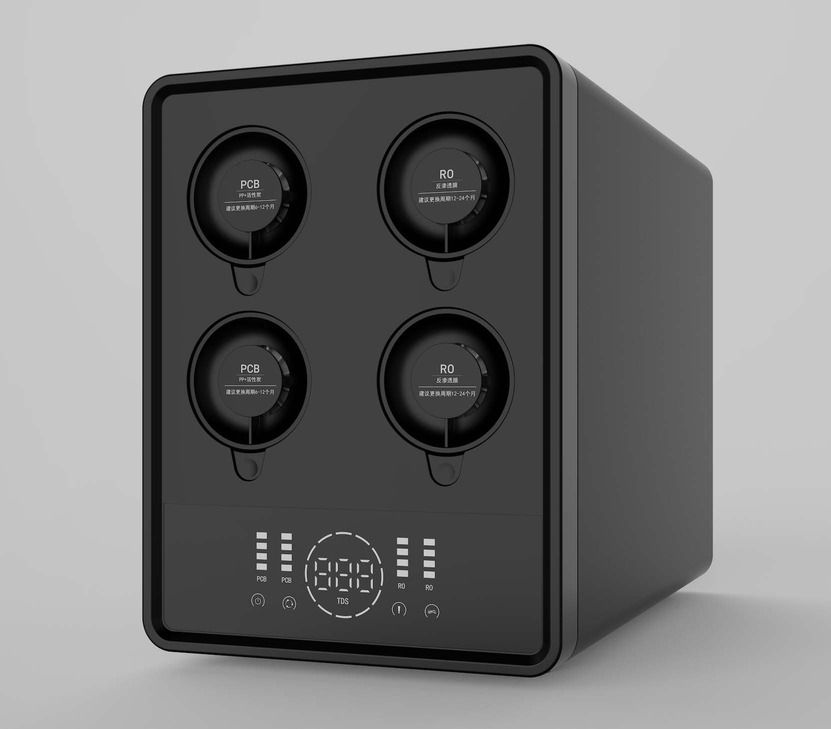
Before reaching the RO membrane, water passes through prefilters:
● Sediment filter → removes sand, rust, dirt
● Carbon filter → removes chlorine & chemicals
🔑 Purpose:
These filters shield the RO membrane from harm and blockages.
Pre-filtration is especially important in regions with desalinated or hard water, as it helps extend system life and maintain consistent performance.
3️⃣ The RO membrane (the heart of the system)
This is where the magic happens.
● Pore size ≈ 0.0001 micron
● Removes:
● Heavy metals (lead, mercury)
● Salts & minerals (TDS)
● Fluoride, arsenic
● PFAS
● Bacteria & viruses
Two streams come out:
● ✅ Permeate → clean drinking water
● ❌ Concentrate (brine) → dirty water flushed to drain
This membrane is capable of removing contaminants at a molecular level, delivering water that is significantly purer than standard filtration methods.
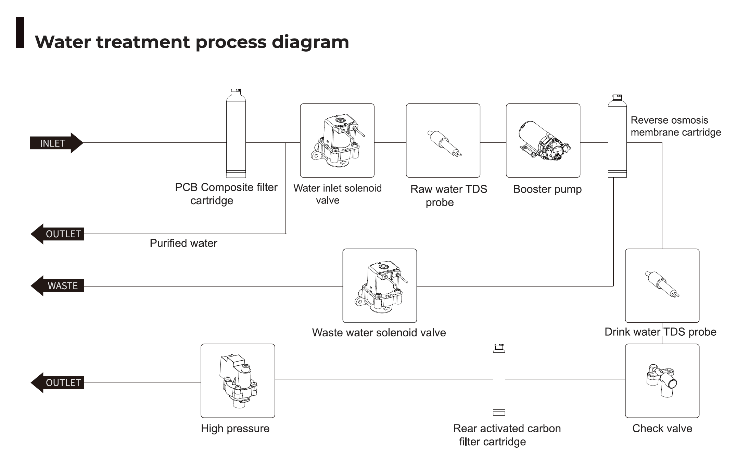
4️⃣ Booster pump (in modern systems)
Modern or tankless RO systems typically come with a pump:
● Increases pressure
● Improves filtration efficiency
● Reduces wastewater
● Higher pressure = lower TDS + better flow.
Booster pumps are particularly beneficial in apartments or areas with low water pressure, ensuring consistent output and faster water production.
5️⃣ Post-treatment (polishing the water)
After RO filtration:
● Carbon polishing filter → improves taste
● Mineral filter → adds calcium & magnesium back
● pH balance → brings water to balanced pH level for your body
RO water is very pure – minerals get added to improve health & taste.
6️⃣ Optional UV sterilisation
Some systems add UV-LED:
● Kills any remaining bacteria/viruses
● Final safety barrier
● Especially useful in warm climates
UV treatment adds an extra layer of protection, making the water microbiologically safe right before consumption.
7️⃣ Water goes to the faucet
Now you get:
● Clean
● Clear
● Neutral-tasting
● Low-TDS drinking water
Tankless systems produce water on demand.
Tank systems store it in a pressure tank.
Choosing between tank and tankless systems depends on space availability, daily water usage, and convenience preferences.
RO Water for Everyday Use
RO-purified water is suitable not only for drinking but also for cooking, making tea or coffee, washing fruits and vegetables, and preparing infant food. Using purified water daily helps reduce exposure to unwanted contaminants and improves overall taste consistency across all household uses.
This makes RO systems a practical long-term solution for households aiming to maintain consistent water quality throughout the year.
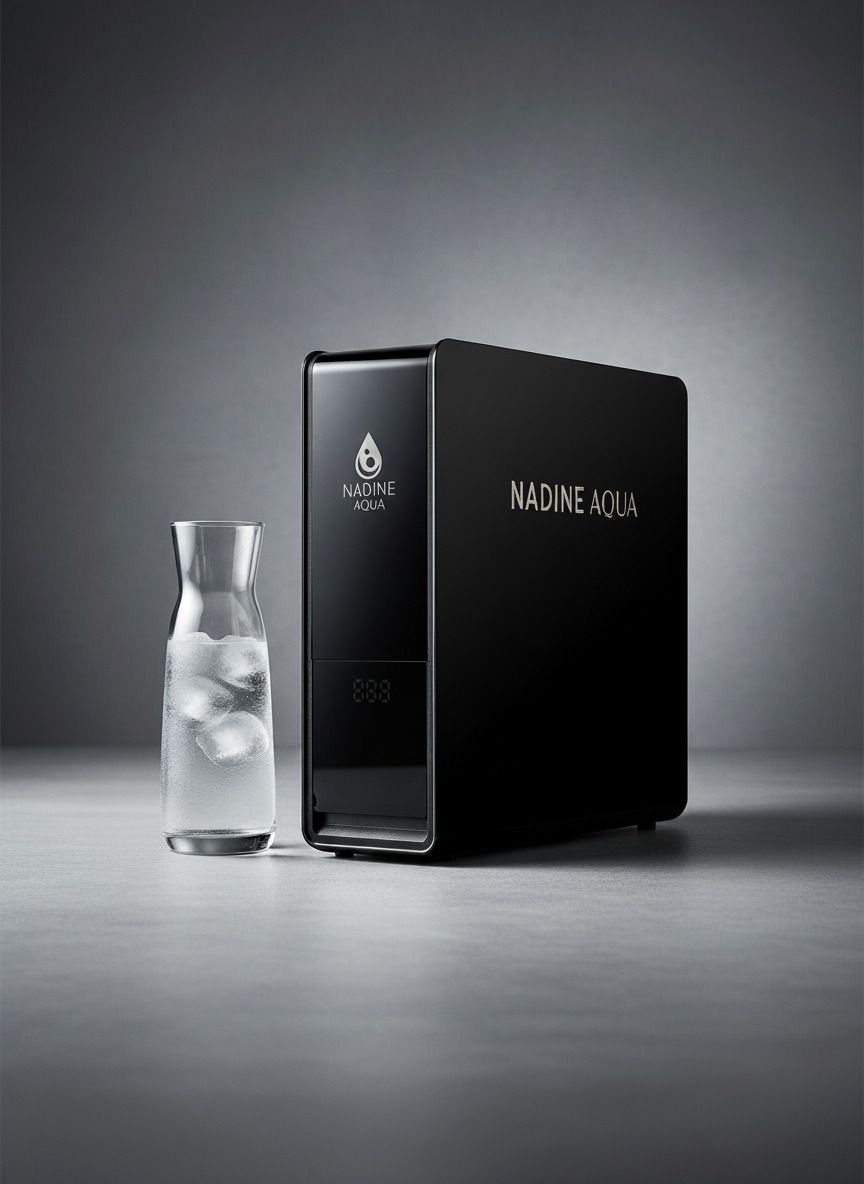
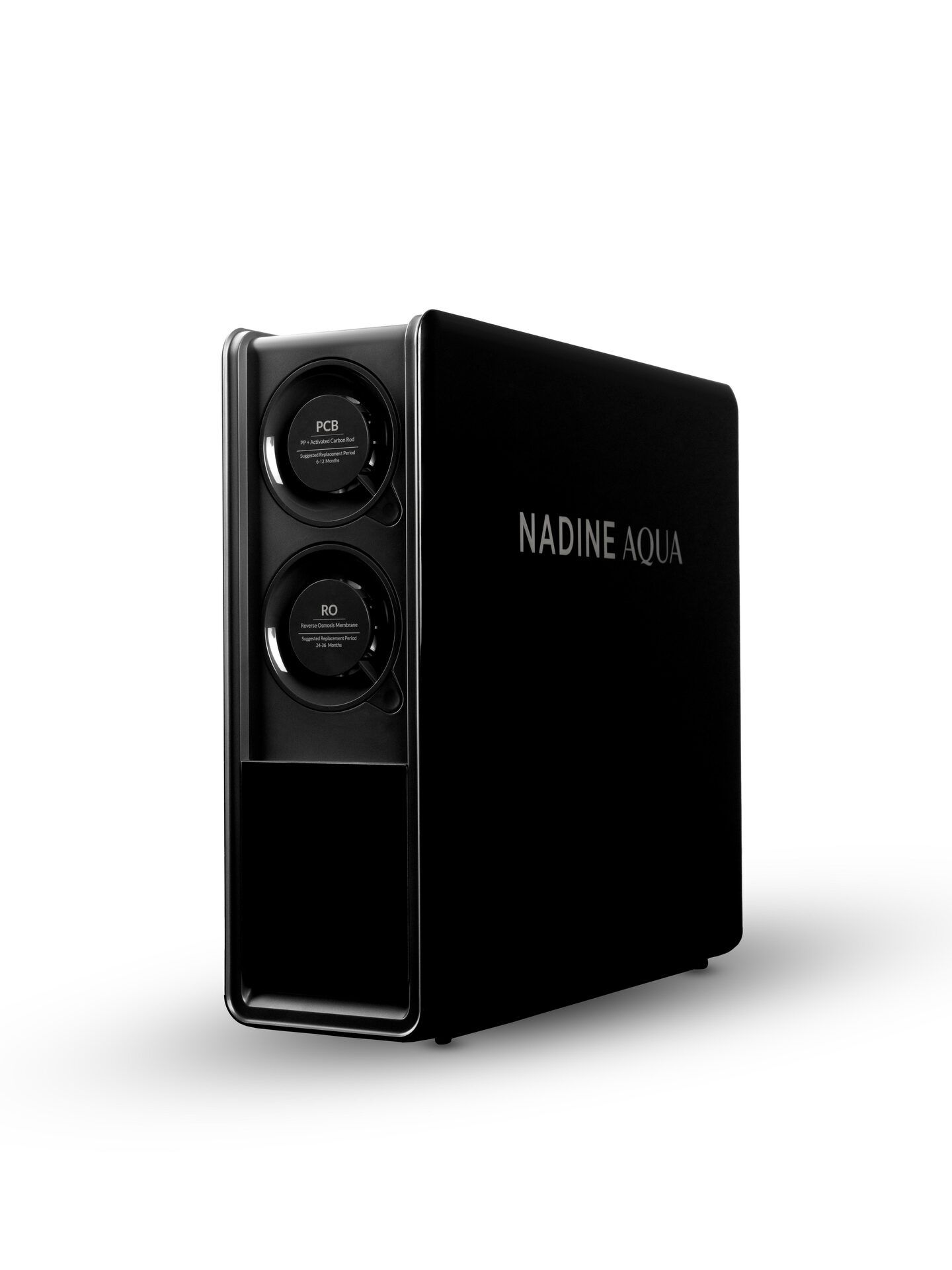
NADINE AQUA RO systems combine advanced filtration with a sleek, space-saving design for modern kitchens.