The Sunnah of Drinking Water: Health and Hygiene During Ramadan
There is something beautiful about the way Islam teaches us to drink water. It is not just about quenching your thirst. It is a complete practice with manners, mindfulness, and meaning.
The Sunnah of drinking water during Ramadan connects your physical health with your spiritual intentions.
And when you understand it fully, you realize how much wisdom sits behind these simple habits.
In this blog, we will explore:
● The key Sunnah practices related to drinking water
● Why these practices are scientifically sound
● How water quality connects to the spirit of Ramadan
● Simple ways to follow the Sunnah at home every day
● Why clean water is part of caring for the body Allah entrusted to us
The Prophet's Way of Drinking Water
The Prophet Muhammad (PBUH) taught us specific ways to drink water. These were not just cultural habits. They carry real health benefits that science now confirms.
Sit Down Before You Drink
The Prophet (PBUH) discouraged drinking while standing. When you stand and drink quickly, water bypasses the filtering process in your digestive system and can cause discomfort. Sitting slows you down and allows your body to process the water properly.
Drink in Three Sips
This is one of the most well-known Sunnah practices. The Prophet (PBUH) drank water in three separate sips, pausing between each one. Modern health research supports this. Drinking slowly in small amounts allows your cells to absorb water more effectively and prevents bloating.
Say Bismillah Before and Alhamdulillah After
These are ways to say thank you. They also make you think about something we often do without thinking about it.
Do Not Blow into the Drink
This is a hygiene practice. Blowing into water introduces carbon dioxide and bacteria from the mouth into the drink, which affects its purity.
Why Water Quality Is a Part of the Sunnah
Following the
Sunnah of drinking water means you pay attention to how you drink. But what about what you drink?
The Prophet (PBUH) always preferred clean, pure water. He (PBUH) avoided stagnant water and water that had been contaminated.
In the context of today's world, this means choosing water that is free from chemicals, bacteria, and pollutants.
Tap water in the UAE is treated but still picks up chlorine, heavy metals, and sediment through the pipe system by the time it reaches your home.
Using a
reverse osmosis water purifier at home ensures that the water you drink meets the standard of cleanliness that aligns with Islamic hygiene principles.
Hydration and Health During the Fast
Ramadan fasting puts your body in a state that demands careful hydration management. You go 12 to 16 hours without any fluids.
What you drink during Suhoor and Iftar directly affects your energy, focus, and mood.
Here is what the Sunnah combined with modern health tells us:
● Start Iftar with water and dates
● Do not gulp large amounts of water at once
● Stay consistent with hydration between Iftar and Suhoor
Water Hygiene in the Home During Ramadan
The Prophet (PBUH) also emphasized covering water containers and keeping water clean. Today, we apply this principle through proper water storage and filtration.
If you use a filtered water system at home, make sure it is regularly maintained. A dirty or expired filter can introduce more bacteria into your water than it removes.
Keep your water jugs, bottles, and glasses clean, especially during Ramadan when you use them more often.
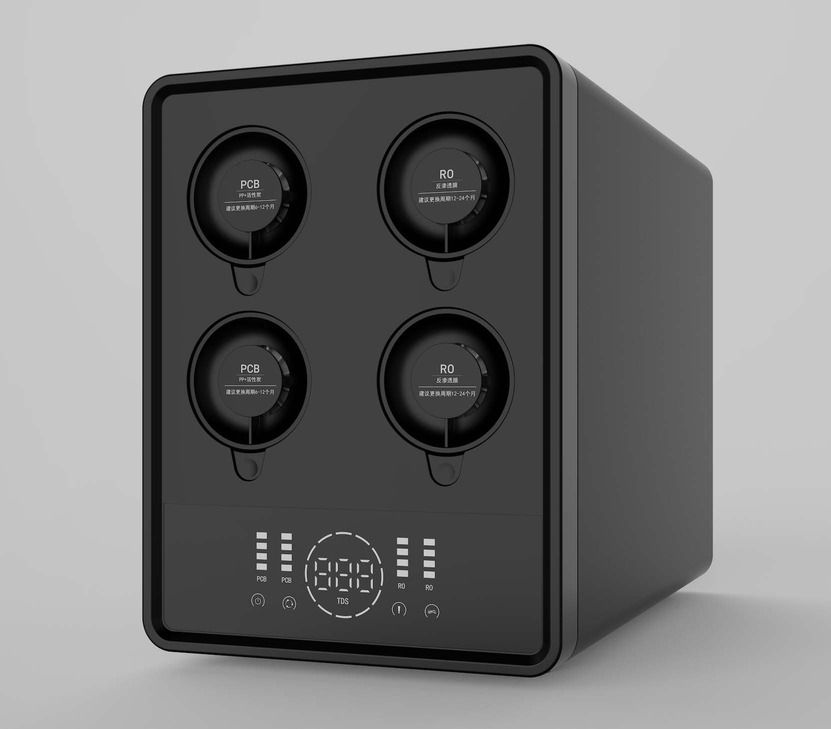
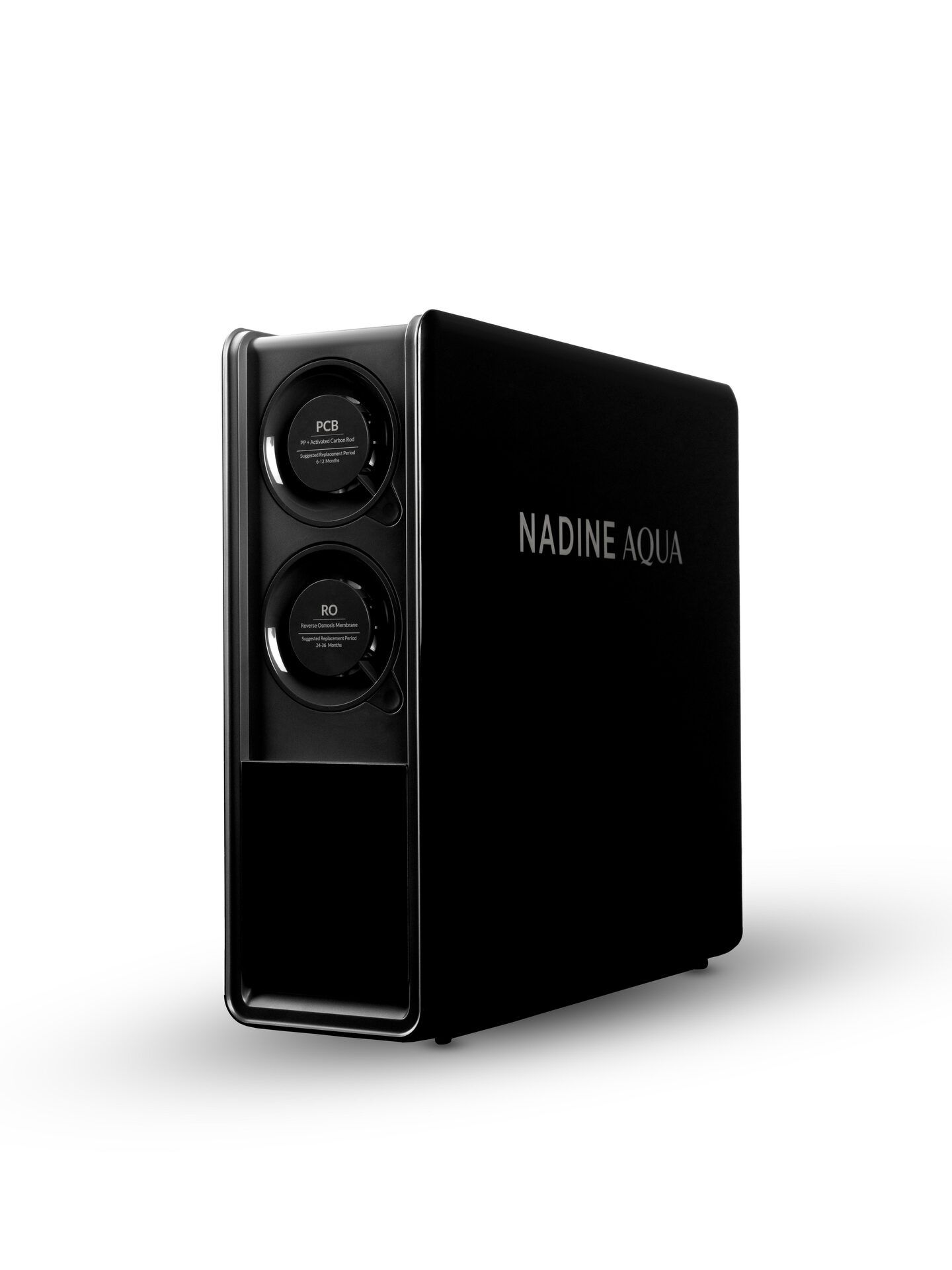
Families who use RO water filtration systems at home get an added layer of protection. The filtration removes bacteria and viruses at the source, so the water that enters your glass is already hygienic.
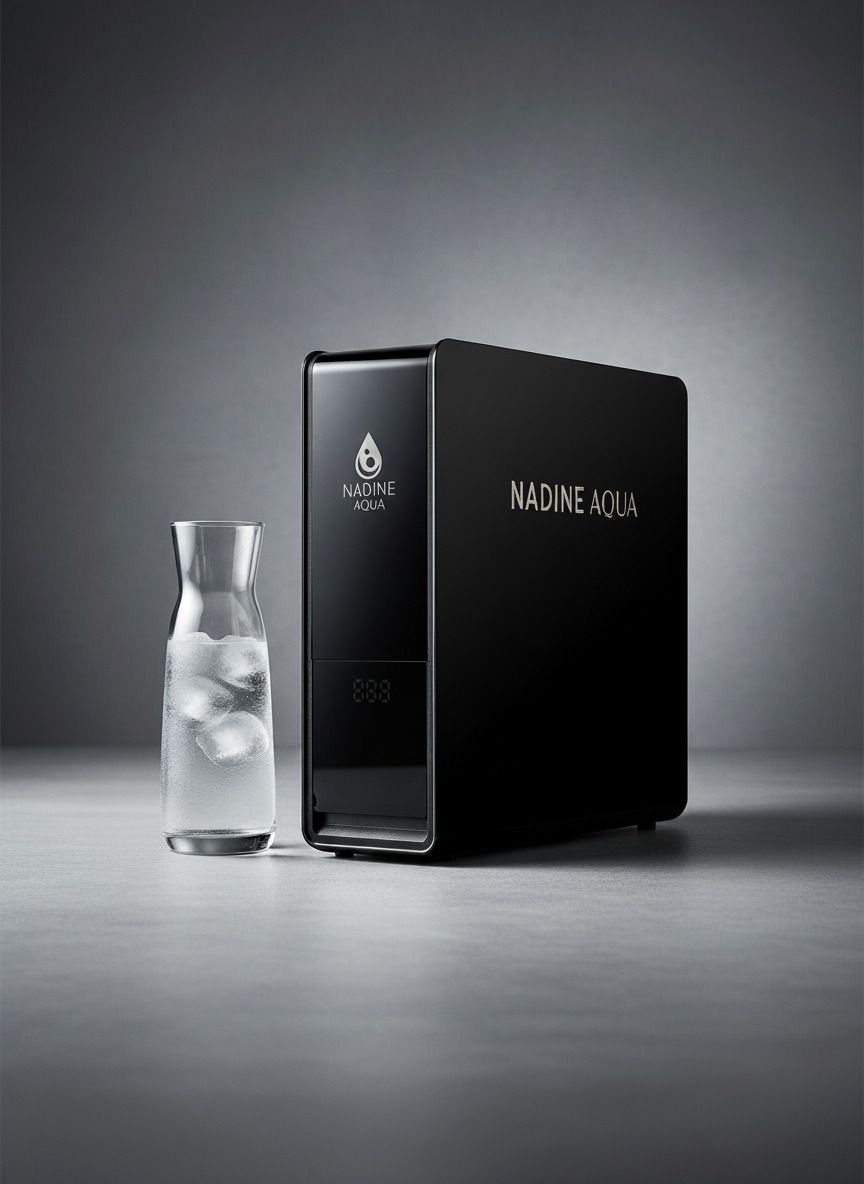
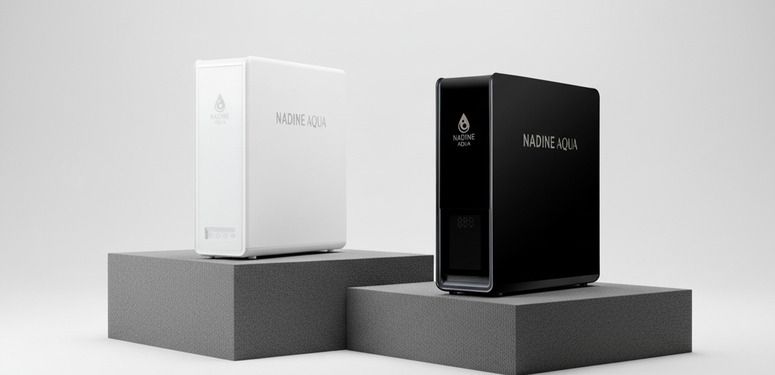
Explore water filtration systems from Nadine Aqua that include UV sterilization for an extra level of purity, which fits naturally with the Islamic emphasis on cleanliness in food and drink.
Frequently Asked Questions
Q1: Is it permissible to use cold or ice water to break the fast, or does the Sunnah recommend room-temperature water?
There is no strict ruling against cold water at Iftar. However, many scholars suggest lukewarm or room-temperature water is gentler on the stomach after a long fast, and it aligns better with gradual rehydration for your body.
Q2: What does Islamic teaching say about wasting water, and how does this connect to Ramadan practices?
Islam strongly discourages wasting water. The Prophet (PBUH) used minimal water even during wudhu. During Ramadan, being mindful of water use is a spiritual act. Using a home filtration system also reduces plastic bottle waste, reflecting this value.
Q3: Can children follow the Sunnah of drinking water, and at what age should parents start teaching them?
Yes, children can learn these habits early. Parents can start teaching the basic practices like sitting, saying Bismillah, and drinking slowly from around age four or five, making it a natural and joyful part of their daily routine.