How to Remove Limescale from Drinking Water in the UAE
If you have ever seen white chalky deposits around your kettle, taps, or coffee machine, you already know what limescale looks like. What you might not know is that the same minerals causing those deposits are also in every glass of water you drink.
What Causes Limescale in UAE Water
Limescale forms when water contains high levels of dissolved calcium and magnesium. This is what water experts call hard water. The higher the mineral concentration, the faster limescale builds up.
UAE tap water comes from desalination plants, which treat seawater before it reaches homes. Desalination removes salt but not all dissolved minerals. By the time water travels through pipes, storage tanks, and into your kitchen, it often carries elevated TDS (total dissolved solids) levels – typically between 110 and 300 ppm across most UAE cities and higher in some areas.
That mineral load is what leaves deposits on your appliances and, more importantly, what you are drinking every day.
Why Limescale in Drinking Water Matters
Most conversations about limescale focus on appliances. Kettles fur up. Coffee machines lose efficiency. Water heaters work harder and cost more to run. These are real problems, and they add up over time.
But limescale in your drinking water is a separate concern. Water with high calcium and magnesium content often tastes flat or slightly chalky. It can affect the flavour of tea, coffee, and anything you cook with water. Over time, consistently high mineral intake from water – combined with dietary sources – is something many families want to manage, especially for young children.
The issue is not just what you see on your kettle. It is what you cannot see in your glass.
Does Boiling Water Remove Limescale
Boiling water removes some minerals by causing them to precipitate out, which is exactly what forms that white crust in your kettle. But boiling does not remove all dissolved solids. It also does not address chlorine, heavy metals, or other contaminants. And it definitely does not produce consistent, clean-tasting water at scale for a family.
Boiling is not a solution. It is a temporary fix that highlights the problem.
The Most Effective Ways to Remove Limescale from Drinking Water
There are three main approaches used in UAE homes. Each works differently and suits different needs.
Reverse Osmosis (RO) Filtration
This is the most effective method for removing limescale minerals from drinking water. An under sink water filter Dubai families use with RO technology forces water through a 0.0001 µm semi-permeable membrane. Calcium, magnesium, and most other dissolved solids cannot pass through. The result is water with dramatically reduced TDS, no chalky taste, and no limescale-forming minerals.
A quality reverse osmosis water purifier in the UAE reduces TDS by 95% or more. It is the only method that genuinely addresses the root cause of limescale in your drinking water, not just the symptoms.
Water Softeners
A water softener uses ion exchange to swap calcium and magnesium ions for sodium ions. This eliminates hard water and stops limescale forming in pipes and appliances throughout your home. It is an effective whole-house solution for protecting plumbing and extending appliance life.
However, a water softener adds sodium to your water. For drinking purposes, most families pair a softener with a separate drinking water purifier in Dubai, typically an under-sink RO system, to get the best of both.
Carbon Filtration
Carbon filters improve taste and reduce chlorine effectively. They do not remove dissolved minerals or address limescale. A carbon filter alone will not solve a hard water problem. It works best as a pre-filter stage in a multi-stage system, not as a standalone solution for limescale.
What the Right System Looks Like for a UAE Home
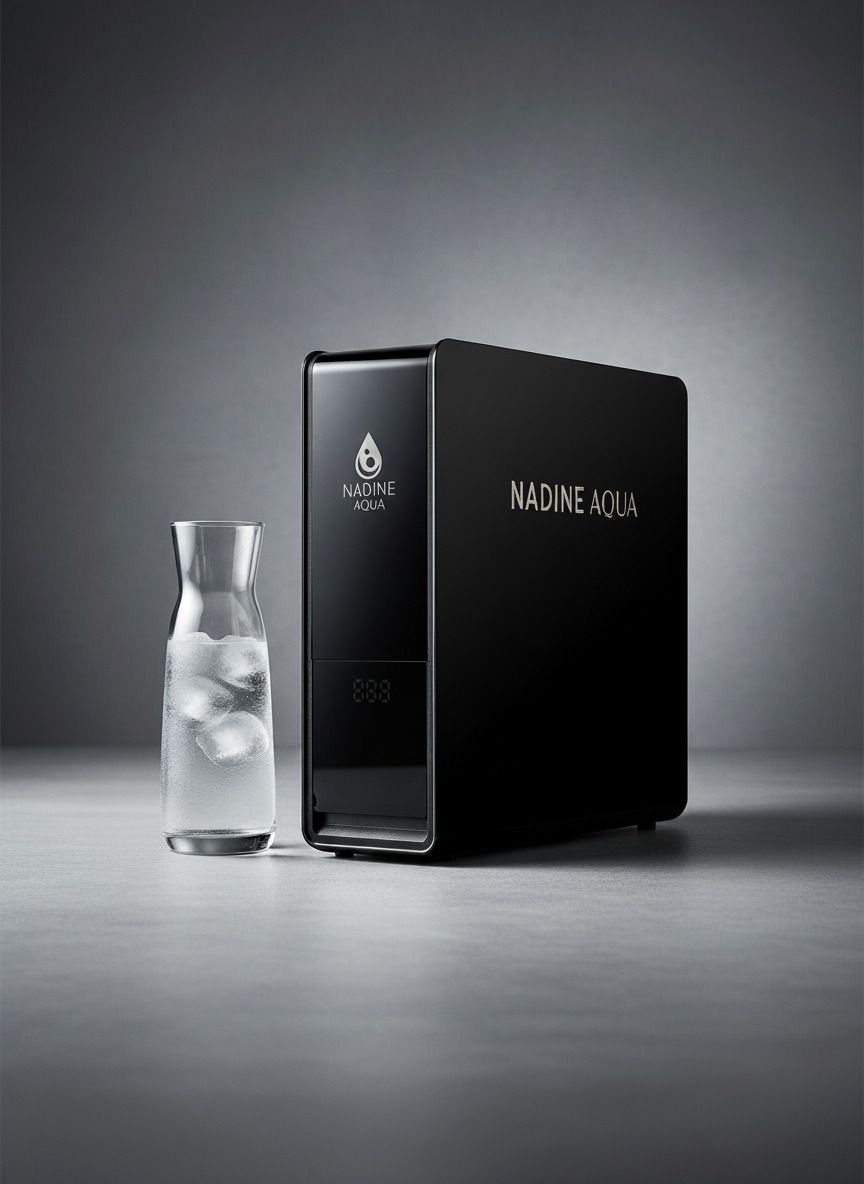
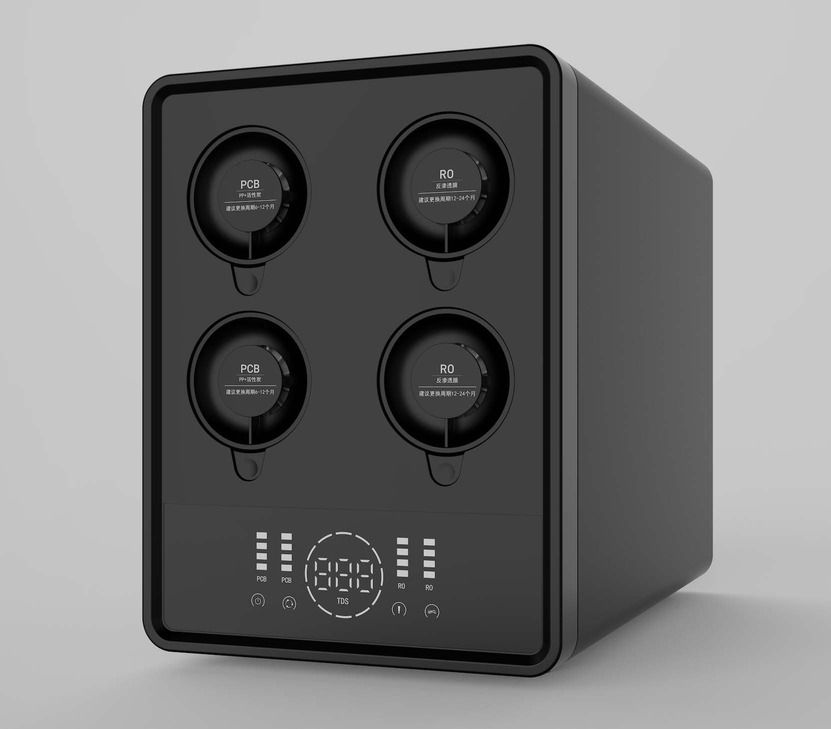
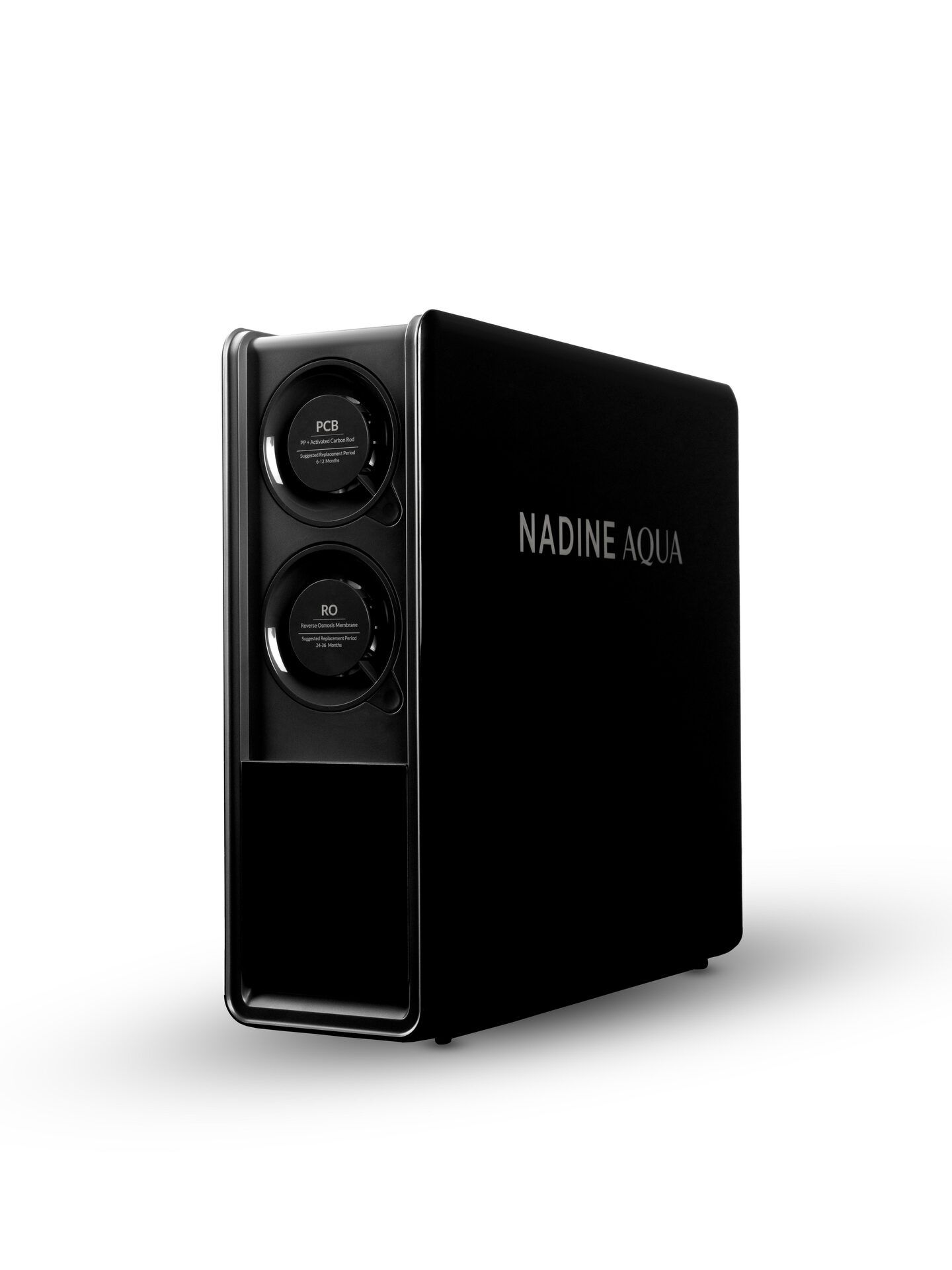
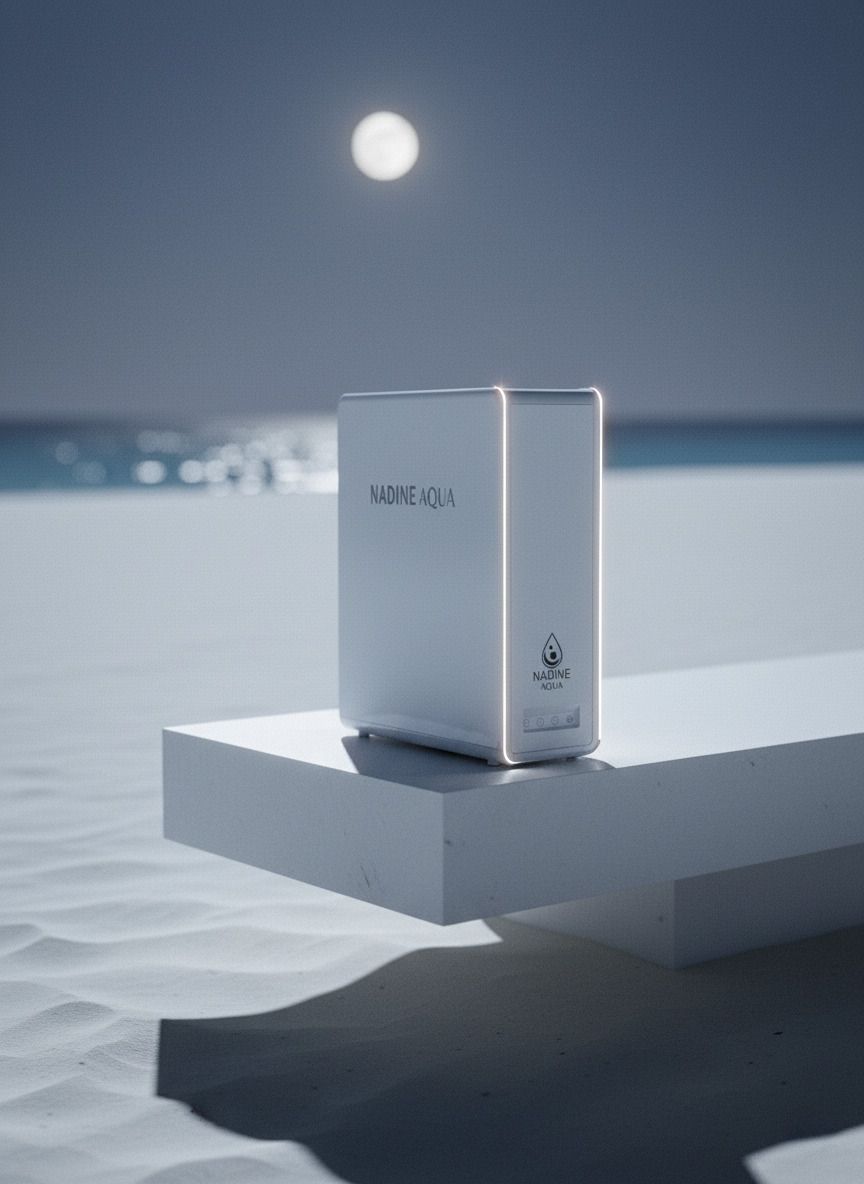
For most UAE families, the practical answer is an 11 stage RO water filter under the kitchen sink. This handles limescale minerals, chlorine, heavy metals, and other contaminants in one compact system.
The best systems for UAE conditions also include:
● Alkaline remineralisation – RO removes almost everything, including beneficial minerals. A remineralisation stage adds calcium and magnesium back in balanced amounts, producing pH balanced drinking water that tastes clean and supports healthy hydration.
● UV LED sterilisation – essential for UAE homes where water passes through rooftop storage tanks before reaching the tap, where bacteria can enter after the municipal treatment stage.
● A smart faucet water filter with a live TDS display – so you can see your water quality in real time and know exactly when filters need replacing.
● Compact, tankless design – UAE kitchens, especially in apartments, need systems that fit without taking over the under-sink cabinet.
Nadine Aqua systems include all of these as standard. Every model is built specifically for UAE water conditions – not adapted from systems designed for softer international water supplies.
How Often Should You Replace Filters in the UAE
This is where UAE homes differ from manufacturer recommendations. Most filter brands publish replacement schedules based on US or European water quality. UAE water – with its higher TDS and mineral load – works filters harder.
As a general guide for UAE homes:
● Pre-filters (sediment and carbon): every four to six months
● RO membrane: every twelve to twenty-four months, depending on usage and local water quality
● Post-carbon and remineralisation stages: every six to twelve months
A system with a smart digital display that tracks individual filter life takes the guesswork out entirely. You replace what needs replacing when it needs replacing – not before, not after.
The Bottom Line
Limescale in UAE drinking water is a mineral problem. The only way to genuinely remove it from your drinking water is to filter out the minerals causing it – and RO filtration is the most reliable way to do that.
If you can also see limescale on your appliances and taps, a whole-house water softener paired with an under-sink drinking water purifier in Dubai gives you complete coverage. For most families in apartments, a high-quality compact RO system under sink solves the drinking water side of the problem immediately and affordably.
FAQs
Is limescale in UAE drinking water harmful to health?
Calcium and magnesium – the minerals that form limescale – are not harmful at the levels found in UAE tap water. The UAE's official water standard allows TDS up to 1,000 ppm, though most municipal water sits between 110 and 300 ppm. The concern for most families is taste, appliance damage, and long-term mineral accumulation rather than acute health risk. If your water tastes flat or chalky, or you can see limescale deposits on your kettle, your TDS is likely on the higher end. An under sink water filter Dubai with RO technology is the most straightforward solution for both taste and mineral reduction.
Will a water softener remove limescale from my drinking water in the UAE?
A water softener removes the calcium and magnesium that cause limescale – but it replaces them with sodium. For whole-house use, this protects pipes and appliances effectively. For drinking water specifically, softened water has a higher sodium content that not everyone wants in their daily intake. Most UAE families who install a whole-house softener also add a dedicated reverse osmosis water purifier in the UAE under the kitchen sink for their drinking and cooking water. The two systems work well together – the softener protects your home, the RO gives you clean, mineral-balanced drinking water.
How do I know if my UAE home has a limescale problem in the water?
The most obvious signs are white or chalky deposits around kettle elements, tap heads, and shower fittings. You may also notice a flat or slightly bitter taste in your drinking water, tea, or coffee. A simple TDS meter – available cheaply online – gives you a reading of the dissolved mineral content in your water within seconds. Readings above 200 ppm are common in many UAE areas and indicate a water supply that will form limescale over time. A reading above 300 ppm is a strong signal that an 11 stage RO water filter or similar system would meaningfully improve your daily drinking water quality.