PFAS Removal Water Filters in the UAE: 7 Things Dubai Homeowners Should Know
PFAS isn't a word most people knew five years ago. Now it's showing up in water quality conversations everywhere, including here in Dubai. If you've started wondering whether your tap water contains these persistent chemicals, you're asking the right question.
We hear this concern often at Nadine Aqua, and honestly, it's a fair one. PFAS doesn't break down easily, and standard filters weren't designed with it in mind. Let's talk through what PFAS actually is, why it matters, and what
PFAS removal water filter options genuinely help.
1. What PFAS Actually Means for Your Drinking Water
PFAS stands for per- and polyfluoroalkyl substances, a large group of man-made chemicals used in everything from non-stick cookware to firefighting foam. They've earned the nickname "forever chemicals" because they resist breaking down in the environment or in the human body.
These chemicals can enter water supplies through industrial runoff, certain consumer products, and groundwater contamination. Once present, they don't simply filter out with basic activated carbon the way chlorine does. That's exactly why PFAS removal water filters in the UAE require a more advanced approach.
2. Why Standard Filters Often Fall Short Against PFAS
Basic carbon filters do a decent job with chlorine taste and odor. PFAS molecules, though, behave differently and pass right through many entry-level systems.
This isn't about brand names or marketing claims. It's about filtration technology. A filter needs the right combination of stages, not just a single carbon block, to meaningfully reduce PFAS compounds from drinking water.
3. Reverse Osmosis and Its Role in PFAS Filtration
Reverse osmosis for PFAS removal has become one of the most talked-about solutions, and there's good reason for that. RO membranes work by forcing water through an extremely fine barrier that blocks particles far smaller than what carbon alone can catch.
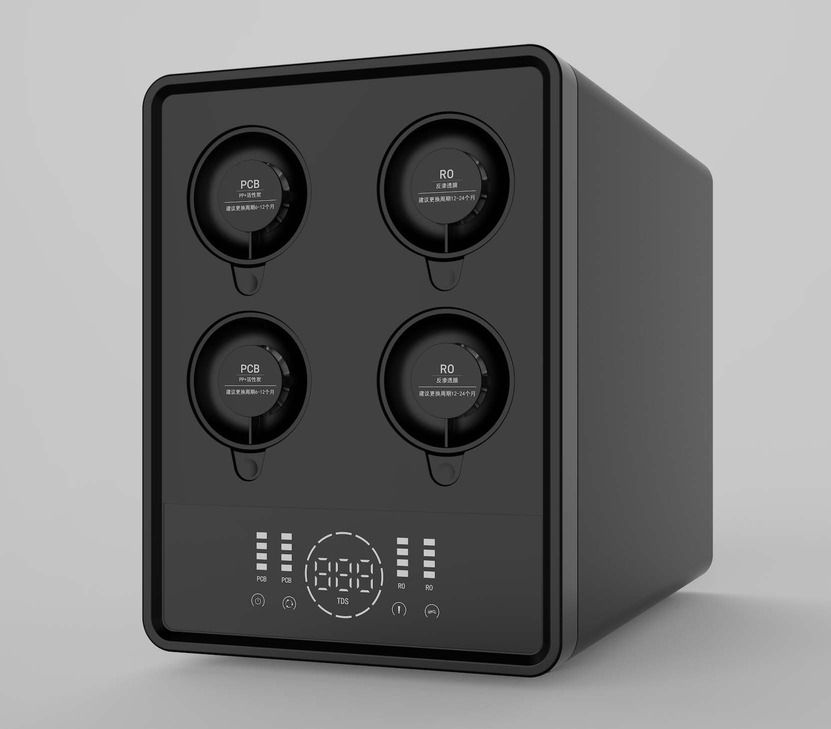
Combined with pre-filtration stages, RO systems address PFAS alongside heavy metals, sediment, and dissolved solids in one process. Our NAQ-G8 and NAQ-P15 both use 11-stage filtration built around this principle, layering RO membranes with carbon and sediment stages for broader coverage.
It's worth remembering that no single stage does everything. That's why multi-stage design matters more than any single filtration buzzword.
4. What to Look for When Evaluating a Filter for PFAS
Shopping for water filters that remove PFAS can feel overwhelming, especially with so many products claiming the same thing. Here's what actually separates a strong system from a weak one:
- Certified RO membrane technology, not just carbon filtration alone
- Multiple pre-filter stages that protect the RO membrane and extend its life
- A tankless or sealed design that limits contamination risk between uses
- Transparent filter replacement schedules so performance doesn't quietly decline
Ask specific questions before buying. A seller who can explain exactly how their system handles PFAS filtration is more trustworthy than one who just says "it filters everything."

5. How PFAS Filtration Fits into a Full Kitchen System
You don't need a separate PFAS-specific unit bolted onto your existing filter. A well-designed kitchen system already accounts for this as part of its overall filtration process.
Our systems handle PFAS reduction alongside chlorine, sediment, heavy metals, and hardness minerals, all in the same under-sink unit. You get one system, one maintenance schedule, and water that's been treated comprehensively rather than piecemeal. That's simpler for your kitchen and easier on your budget.
6. Maintenance Matters More with PFAS Filtration
RO membranes doing the heavy lifting against PFAS need proper upkeep to keep performing. Skipping filter changes doesn't just reduce taste quality, it can quietly reduce contaminant removal too.
Our units include a smart filter life monitoring system, so you know exactly when a cartridge needs swapping instead of guessing. RO membranes typically last 18 to 24 months, while carbon stages need replacement every 12 to 18 months depending on usage. Push-button replacement takes seconds, no technician callout required for routine swaps.
7. Should Every Dubai Household Worry About PFAS?
Not every water source has the same PFAS levels, and concern doesn't have to mean panic. Still, since these chemicals persist and accumulate over time, many families prefer to filter proactively rather than wait for definitive local testing data.
If you're already considering a kitchen filtration upgrade, choosing a system built to handle PFAS alongside other contaminants is a smart, low-effort decision. You're not adding extra steps to your routine, you're just choosing filtration that covers more ground.
Final Thoughts on Choosing PFAS Filtration
Picking the right PFAS removal water filters in the UAE comes down to trusting the filtration technology, not just the marketing. Reverse osmosis combined with proper pre-filtration stages remains the most reliable approach available for home use today.
We build our systems with this exact concern in mind. If you want water that's genuinely been treated for PFAS and other contaminants, reach out and we'll walk you through which model fits your household best.
Frequently Asked Questions
Can boiling water remove PFAS from tap water?
No, boiling water does not remove PFAS and can actually concentrate these chemicals as water evaporates. PFAS compounds are chemically stable and don't break down under normal boiling temperatures. Filtration methods like reverse osmosis remain far more effective for reducing PFAS levels in drinking water.
Are PFAS chemicals dangerous at low levels in drinking water?
Research continues on long-term health effects, though many health agencies recommend minimizing exposure due to PFAS's tendency to accumulate in the body over time. Since these chemicals don't break down easily, even small ongoing exposure adds up across years. This is why proactive filtration appeals to many health-conscious households.
How do I know if my current water filter removes PFAS effectively?
Check whether your filter specifically uses reverse osmosis membrane technology rather than carbon filtration alone. Manufacturers should be able to explain their filtration stages and what each one targets. If a company can't clearly answer how their system addresses PFAS, it's worth investigating further before trusting the claim.
Is PFAS filtration only necessary for certain areas of Dubai?
PFAS contamination sources vary by location, but exposure can occur through multiple pathways beyond just local tap water. Since testing every source individually isn't practical for most households, many families choose comprehensive filtration as a precaution. This approach covers PFAS regardless of where contamination might originate.
Does reverse osmosis filtration remove beneficial minerals along with PFAS?
Reverse osmosis does remove most dissolved minerals along with contaminants like PFAS, which is why quality systems add a remineralization stage afterward. This restores healthy minerals and improves taste without compromising the filtration performance. Our systems include this step so you get thorough filtration and better-tasting water together.