Microplastic-Free Drinking Water in Dubai: Can an Under-Sink RO System Help?
If you've been reading about microplastics turning up in tap water, you're not imagining things. Studies keep finding tiny plastic particles in water supplies around the world, and Dubai isn't immune. The good news? An under-sink RO system in Dubai is one of the most practical ways to tackle this problem without tearing up your whole kitchen.
We get it. You just want a glass of water you don't have to think twice about. Let's break down what's actually happening in your pipes and how the right filter changes the picture.
What Are Microplastics and Why Do They End Up in Tap Water?
Microplastics are tiny plastic fragments, smaller than 5mm, that break off from bottles, packaging, synthetic fabrics, and even old pipes. They're everywhere now. Rain washes them into rivers and groundwater, and from there they can travel straight into municipal water systems.
Dubai's water goes through serious desalination and treatment, but standard treatment plants weren't built with microplastic filtration in mind. That means some particles can slip through. It's not about pointing fingers at the city's water supply. It's just how modern plastic use has changed water quality everywhere, and homeowners are catching on fast.
Can an Under-Sink RO System Really Remove Microplastics?
Yes, and here's why. Reverse osmosis pushes water through a membrane so fine that it blocks particles far smaller than microplastics, including bacteria, heavy metals, and chemical residues. This isn't a marketing claim, it's basic membrane science. The pore size in a quality RO membrane is small enough to catch what carbon filters alone often miss.
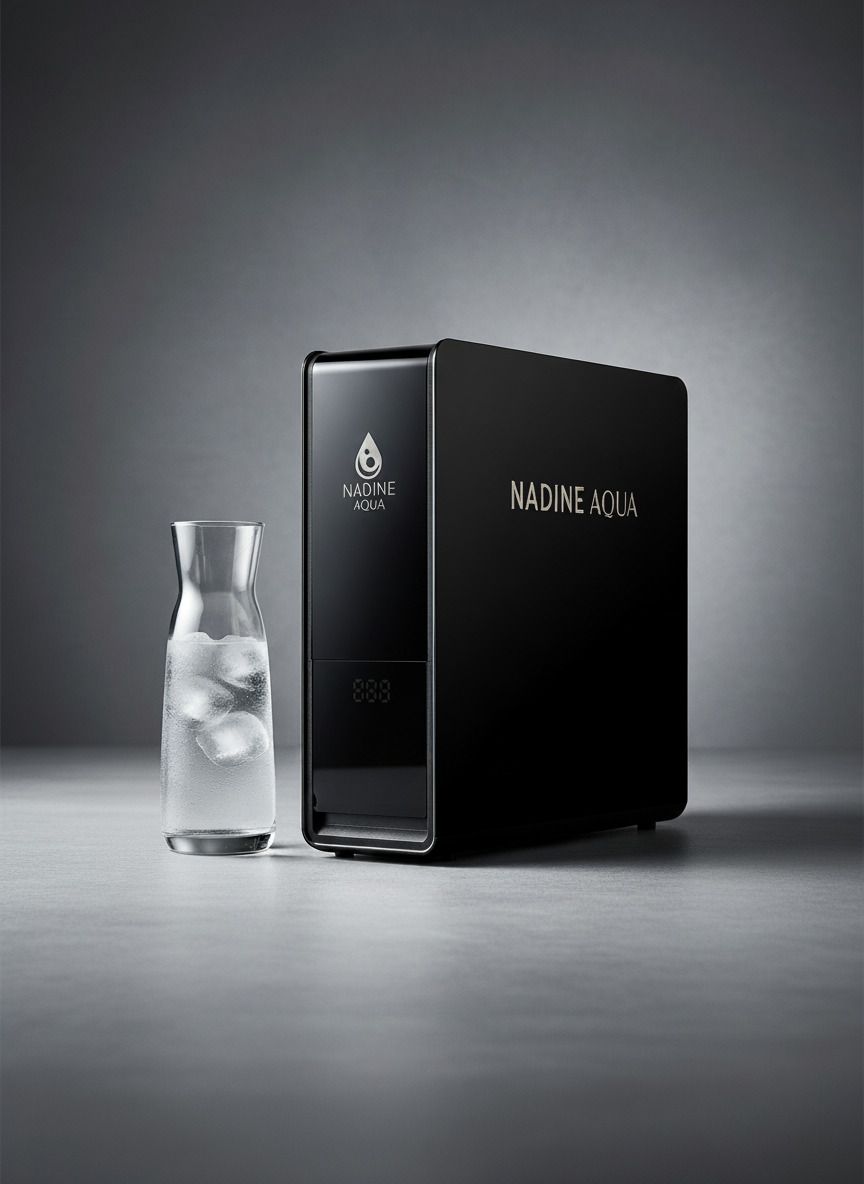
An under-sink RO system in Dubai works quietly beneath your kitchen sink, filtering water right before it reaches your glass. You don't need a whole-home overhaul. You just need clean water where you actually drink and cook.
How Our 11-Stage RO System Filters Microplastics and More
At Nadine Aqua, we built our systems around one simple idea: water should be genuinely clean, not just clear. Our 11-stage RO water filter doesn't stop at removing microplastics. It also targets dirt, bacteria, heavy metals, and everyday chemical contaminants that standard filters skip over.
We designed these systems as a serious lead and fluoride removal water filter, and they double as a PFAS removal water filter for the newer chemical concerns families are asking about. Layer by layer, the water gets cleaner, and you get to stop second-guessing what's coming out of your tap.
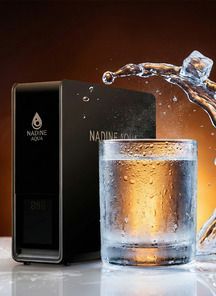
Some of our models, like the NAQ-M10-PRO and NAQ-G10-PRO, also include UV sterilization for an extra layer of protection against bacteria and viruses. Not every household needs that step, so we've kept it available where it matters most.
Why We Add Minerals Back After Filtration
Here's something people don't always expect. Aggressive filtration can strip water of the natural minerals that give it a pleasant taste. That's why our systems include a mineralized RO water system that reintroduces healthy minerals after the deep filtration stage.
The result is pH-balanced drinking water that doesn't taste flat or overly stripped down. It tastes fresh. Your family gets water that's both safe and genuinely enjoyable to drink, every single day.
The Three-Way Faucet and Compact Design Built for Dubai Kitchens
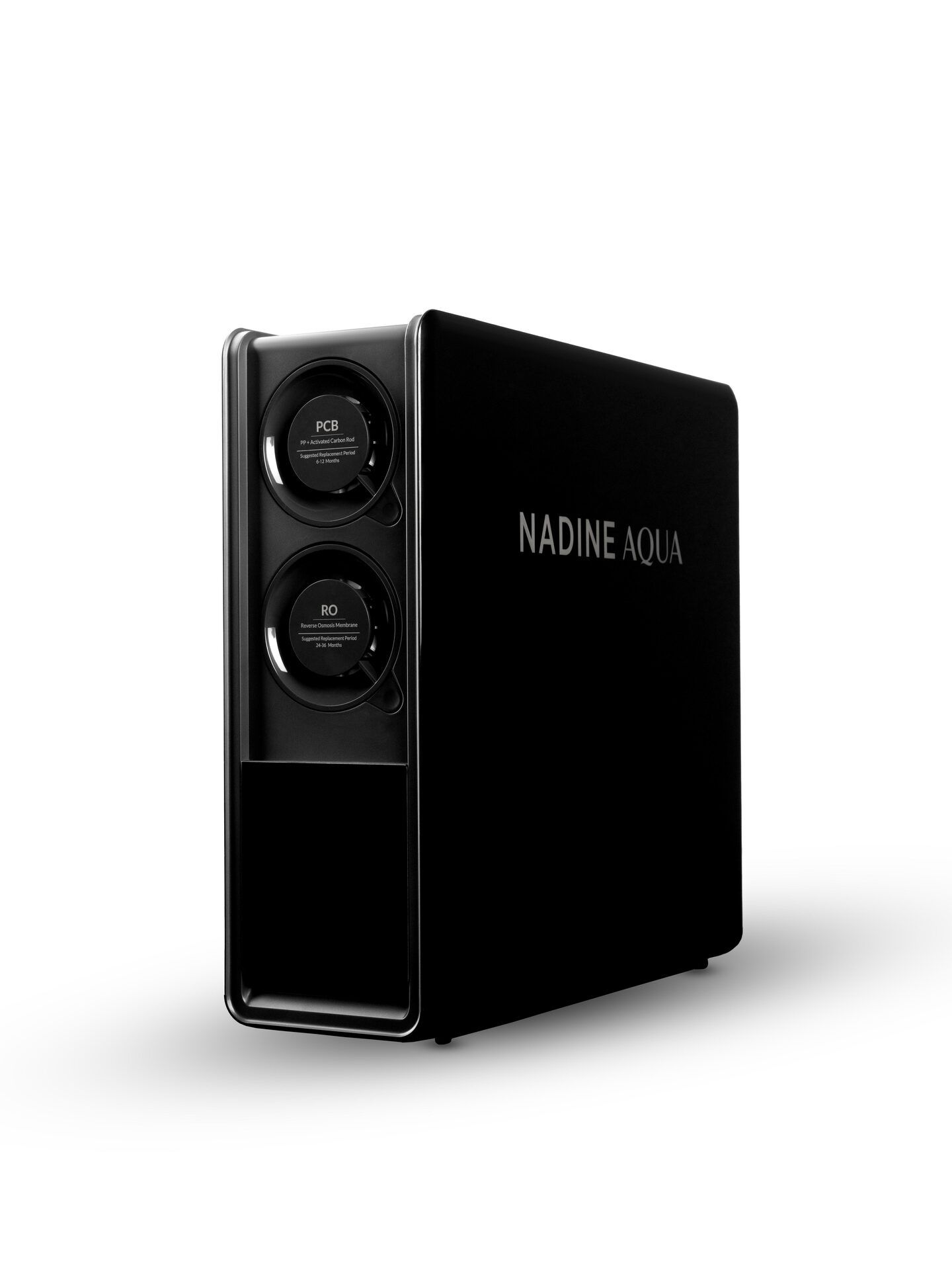
Kitchen space is precious in most Dubai homes, whether you're in a compact apartment or a spacious villa. Our compact design water filter uses up to 70% less under-sink space than older tank-based systems, so there's still room for your bins and cleaning supplies.
We also offer a stylish three-way faucet that replaces your existing tap without drilling extra holes in your countertop. It delivers your regular hot and cold water exactly like before, plus a separate internal channel for purified drinking water. One faucet, no clutter, no compromise.
What This Means for Your Wallet and the Environment
Bottled water adds up fast, and so does the plastic waste that comes with it. Switching to a plastic-free drinking water system means you're not hauling heavy bottles home every week or filling your recycling bin with empties. Over time, our customers cut their water expenses by up to 70%.
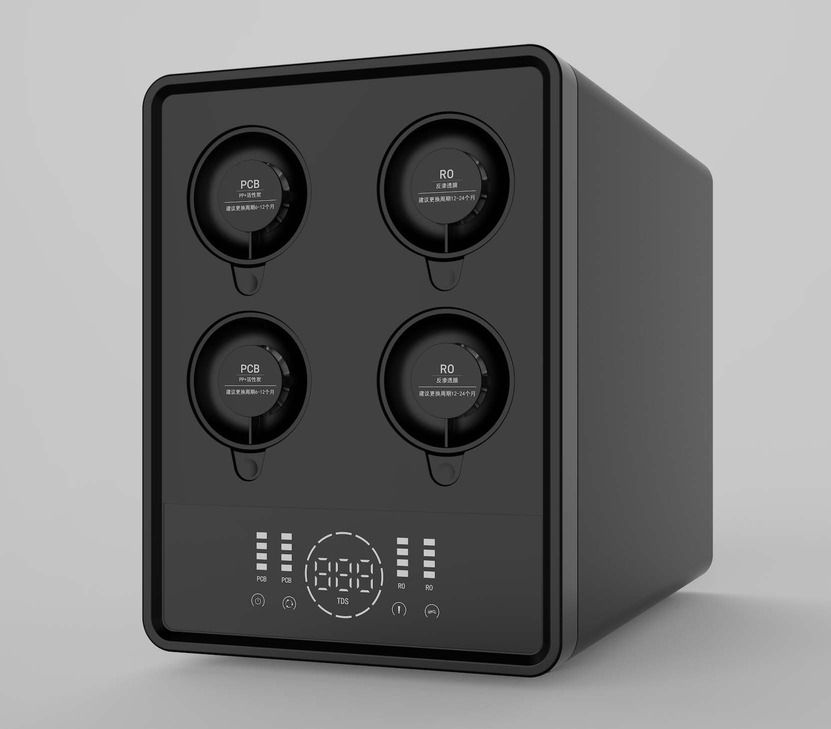
Filter replacement stays simple too. Most PCB and CB filters last 12 to 18 months, while the RO membrane typically runs 18 to 24 months depending on usage. A smart filter monitoring system tells you exactly when it's time for a swap, and replacing a cartridge takes less than 3 seconds with a simple push-button design.
Choosing the Right Under-Sink RO System for Your Home
Every household is different. Families with high water usage might lean toward a higher-flow model like the NAQ-M8-PRO, while smaller households may prefer the standard NAQ-G8. Businesses like cafes or gyms often need the higher-capacity NAQ-P15 to keep up with demand.
We test every filter for safety and back every install with real support, not just a warranty card. If microplastics have been on your mind, this is genuinely one of the simplest upgrades you can make in your kitchen this year. Explore our range of under-sink RO systems online now.
Frequently Asked Questions
Do all under-sink RO systems remove microplastics effectively?
Not all of them. Removal depends on membrane quality and filtration stages. A proper multi-stage RO system with a fine membrane, like an 11-stage setup, is far more effective than basic carbon-only filters at catching microplastic particles before they reach your glass.
Is RO-filtered water safe to drink every day without added minerals?
RO filtration removes most minerals along with contaminants, which can make water taste flat over time. Drinking remineralized water daily is generally considered healthier and more pleasant, which is why many modern systems add minerals back after the filtration process finishes.
How long does it take to install an under-sink RO system in a Dubai apartment?
Most installations take between one and two hours, depending on your existing plumbing setup. A professional installer connects the system to your cold water line and, if needed, fits a dedicated faucet, all without major renovation work to your kitchen.
Can microplastics get into water through the pipes themselves, not just the source?
Yes, older plastic piping and worn fittings can shed microscopic particles into water as it flows through them. This is one reason filtration at the point of use, right under your sink, matters even when the original water source has been treated.
Does an under-sink RO system reduce plastic waste from bottled water at home?
Absolutely. Once you have filtered water on tap, most households stop buying bottled water almost entirely. This cuts down on single-use plastic waste significantly while also reducing your monthly grocery spending on bottled water over time.
What is the difference between a whole-home filter and an under-sink RO system?
A whole-home filter treats all water entering the house, including for showers and laundry, while an under-sink RO system focuses specifically on drinking and cooking water. Most homeowners choose under-sink systems for targeted, cost-effective protection where it matters most.