Which Water Filter is Best for Your Home? A Complete Buyer's Guide
Most people searching for a water filter end up overwhelmed. Dozens of options, conflicting claims, and very little clarity on what actually matters for your home and your water.
This guide gives you straight answers. What to look for, what most systems on the market miss, and why those gaps matter more than most buyers realize.
What Is Actually in Your Tap Water
Most tap water goes through municipal treatment before it reaches your home. That treatment is designed to make water safe by legal standards, not optimal by health standards.
Tap water commonly contains chlorine, fluoride, lead from older pipes, elevated TDS (total dissolved solids), PFAS (forever chemicals), and microplastics. In homes with rooftop or building storage tanks, water can also pick up bacteria after the municipal treatment stage, before it reaches your kitchen tap.
Most of this is invisible. A basic filter does not always remove it. And most people have no idea what is in their glass every day.
What Most Standard Water Filters Offer
Basic carbon filters improve taste and reduce chlorine. They do not remove dissolved metals, PFAS, fluoride, lead, or microplastics. They address the surface level, not the full picture.
Standard reverse osmosis systems go a little further. A typical five to six stage system removes the majority of dissolved contaminants through a semi-permeable membrane. This is a genuine step up from carbon filtration alone.
But most standard systems on the market share the same gaps:
● No UV sterilization – bacteria from storage tanks or aging pipes go unaddressed.
● No remineralization – water is stripped of beneficial minerals and tastes flat.
● Bulky tank-based designs that take up most of the under-sink cabinet.
● No smart monitoring – no way to know when filters need replacing without manual checking.
● Single outlet – all water, whether for drinking or washing vegetables, goes through the same process with no separation.
These are the gaps that matter most for families drinking filtered water every day.
What Nadine Aqua Systems Include as Standard
Nadine Aqua systems are built to close every one of those gaps. Here is what every model includes, not as optional extras, but as standard.
11 Stage RO Filtration
Every Nadine Aqua system is built around an 11 stage RO water filter with a 0.0001 µm reverse osmosis membrane – one of the finest available. Each stage targets something specific: sediment, activated carbon, heavy metals, PFAS, bacteria, viruses, and microplastics. Every stage has a purpose, and every contaminant has a stage targeting it.
UV LED Sterilization
Every model includes a UV LED water purifier that activates at every pour, destroying bacteria and viruses at the point of dispense, without chemicals and without maintenance. This is a layer of protection that RO filtration alone cannot provide and one that most standard systems skip entirely.
Alkaline Remineralization as Standard
After reverse osmosis removes contaminants, Nadine Aqua's mineralized RO water system restores calcium, magnesium, and essential minerals in balanced amounts, delivering pH balanced, high alkaline water at a natural ~7.1 pH. Better digestion. Better hydration. Better taste for drinking, tea, coffee, and cooking. Included as standard, not as a paid add-on.
A Dual Outlet System for Drinking and Cooking
Every Nadine Aqua system features a three way faucet dual outlet – one of the most practical features any home water filter can have, and one that most standard systems do not offer.
Two separate water streams from a single tap point:
● Drinking water outlet – fully filtered through all 11 stages, including UV sterilization and alkaline remineralization. For drinking, baby formula, tea, and coffee.
● Pure water outlet – pre-filtered through sediment and carbon stages, free from chlorine, rust, and particles. For washing fruit, vegetables, and cooking.
Both outlets deliver meaningfully cleaner water than tap water. Each is matched to exactly the right level of treatment for its purpose.
Push-and-Pull Filter Cartridge Replacement
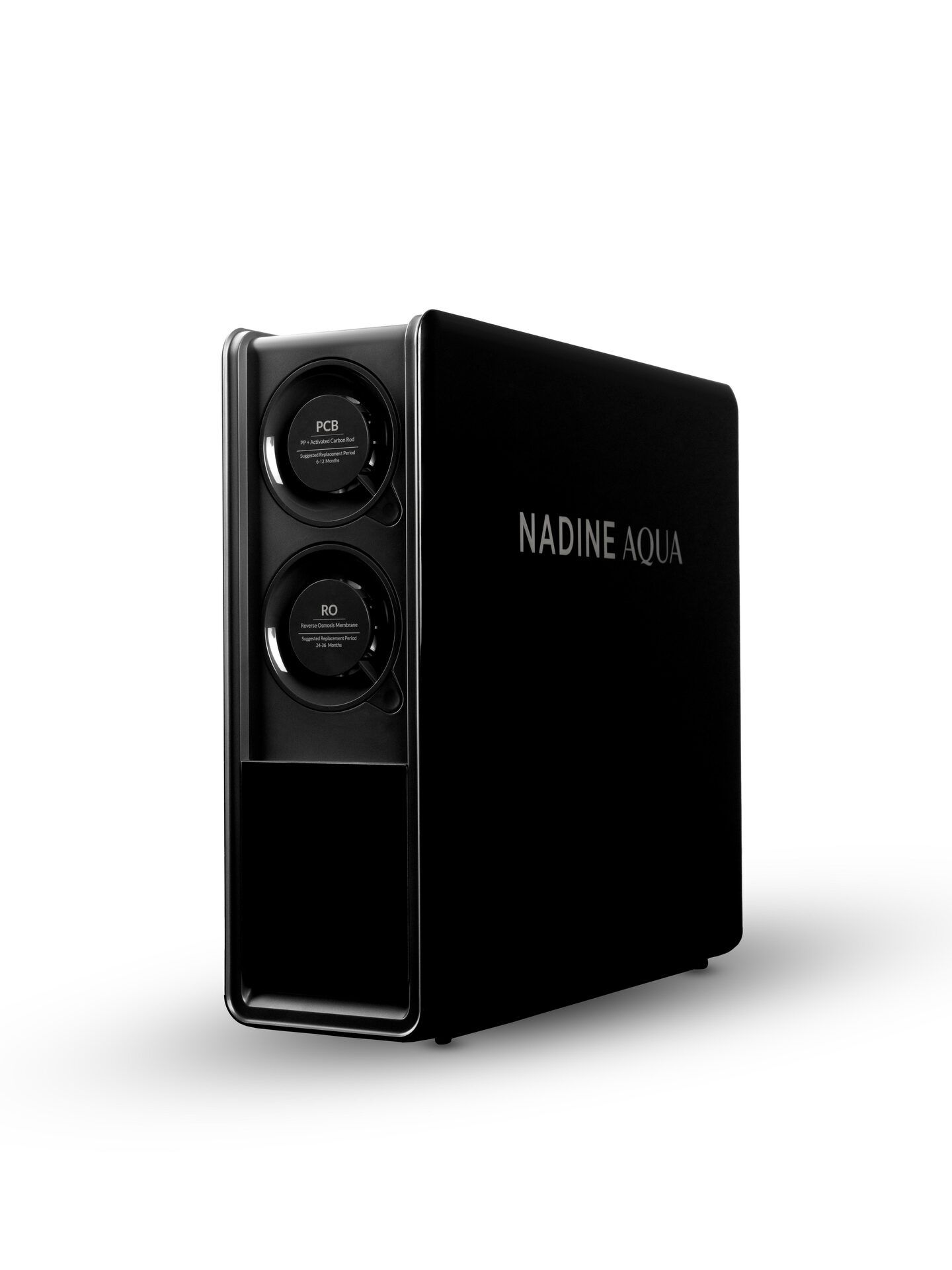
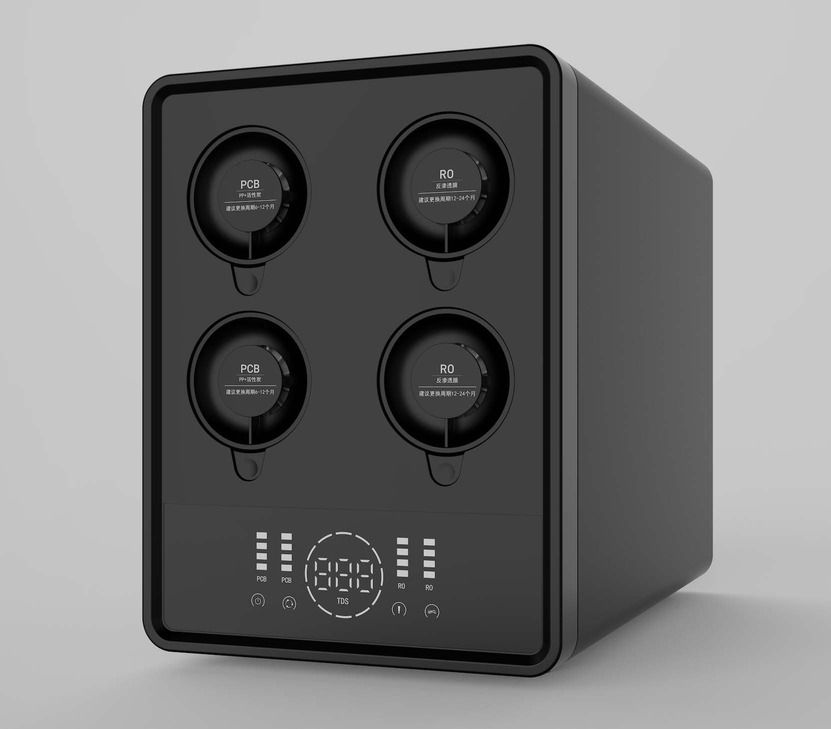
Depending on your local water quality, pre-filters typically need replacing every four to six months. Nadine Aqua systems use a simple push-and-pull cartridge mechanism – no tools, no plumber, no service visit. Cartridges click out and in within minutes.
The smart faucet water filter display tracks individual filter life across every one of the 11 stages, alerting you exactly when each cartridge needs attention. Nothing is replaced too early. Nothing is left in too long.
Compact Tankless Design with Smart Monitoring
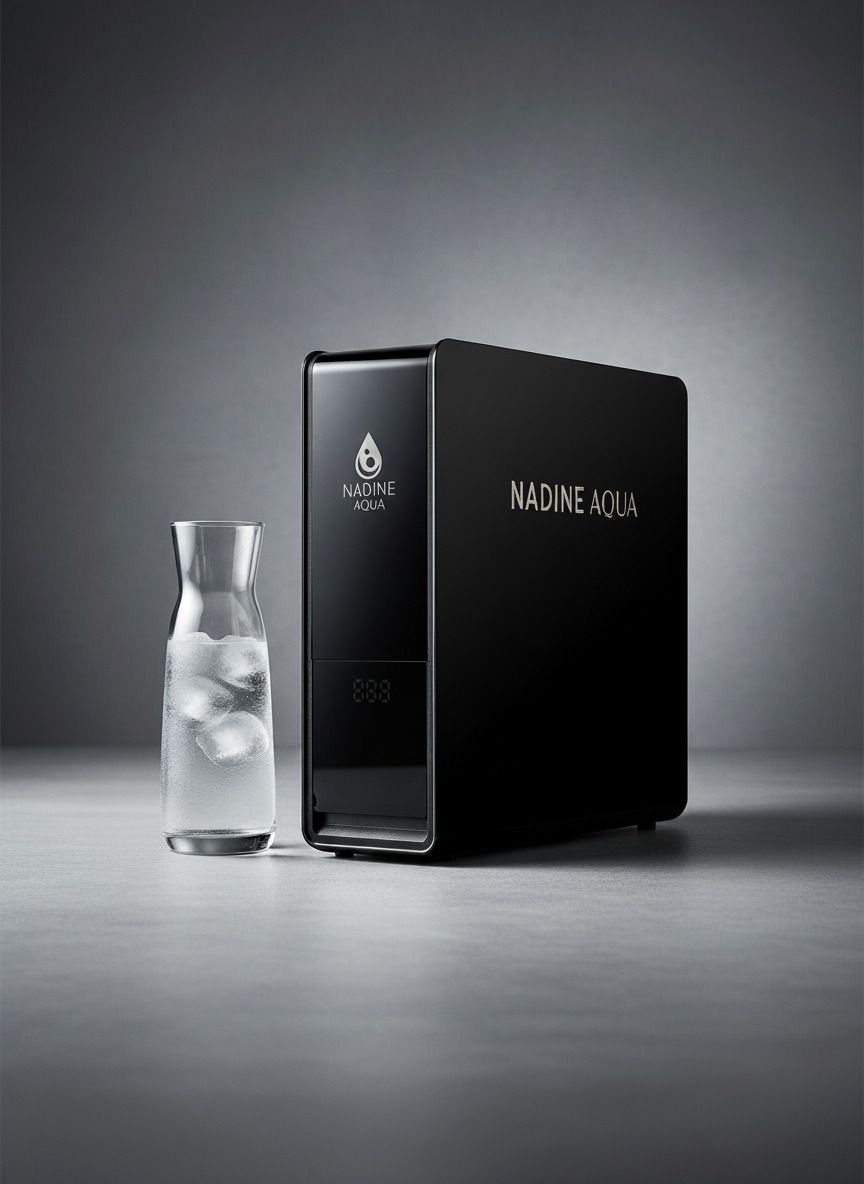
Every Nadine Aqua system is a tankless compact RO system under sink that filters water on demand. No storage tank. No stagnant water risk. Up to 70% less under-sink space used versus traditional tank-based systems – a practical fit for any kitchen, any size.
The smart faucet water filter with a live TDS display gives you real-time water quality readings every time you pour. Full visibility of your water and your system, with no guesswork.
Every model carries CE, UKCA, and NSF certification – independently verified performance standards, not self-reported claims.
Standard RO Systems vs Nadine Aqua
| Feature | Standard RO System | Nadine Aqua System |
|---|---|---|
| Filtration Stages | ❌ 5–6 basic stages | ✅ 11 stages |
| UV Sterilization | ❌ Rarely included | ✅ Included as standard |
| Remineralization | ❌ Not included | ✅ Included as standard |
| Dual Outlet System | ❌ Single outlet only | ✅ Drinking + pure water outlets |
| Filter Replacement | ❌ Manual tracking | ✅ Push-and-pull with smart alerts |
| Tank Required | ❌ Bulky storage tank | ✅ Compact tankless design |
| Smart Display | ❌ No monitoring | ✅ Live TDS and filter life tracking |
| Certifications | ❌ Often uncertified | ✅ CE, UKCA, NSF certified |
The Bottom Line
The best water filter for your home is not the most marketed option. It is the one that removes what your tap cannot, restores what your body benefits from, and makes daily use and maintenance genuinely simple.
Nadine Aqua systems cover all of it – 11 stage RO filtration, UV LED sterilization, alkaline remineralization, a dual outlet system, push-and-pull cartridge replacement, and smart monitoring – as standard, in a single compact unit under your sink.
FAQs
What should I look for when choosing a home water filter?
Start with what your tap water actually contains. Most tap water carries chlorine, fluoride, lead, PFAS, and microplastics that basic filters do not remove. The most complete home water filter combines 11 stage RO filtration, UV LED sterilization, and alkaline remineralization, with a dual outlet system that separates drinking water from cooking water, push-and-pull cartridge replacement for simple maintenance, and a smart digital display that tracks filter life across every stage. These features together give you clean, balanced water without gaps in protection.
What is a dual outlet water filter and why does it matter?
A dual outlet system, built around a three way faucet, gives you two separate water streams from a single tap. The drinking water outlet delivers fully treated water through every filtration stage, including UV sterilization and alkaline remineralization – ideal for drinking, baby formula, tea, and coffee. The pure water outlet delivers pre-filtered water, free from chlorine and sediment, for washing fruit, vegetables, and cooking. Most standard systems use a single outlet for everything. A dual outlet system gives each use exactly the right level of treatment, making it one of the most practical features any home water filter can have.
How do I know when to replace my water filter cartridges?
The most reliable way is a smart digital display that tracks individual filter life across every filtration stage. You can see exactly when each cartridge needs attention without relying on a general schedule that may not reflect your actual usage or local water quality. As a general guide, pre-filters need replacing every four to six months, while the RO membrane typically lasts twelve to twenty-four months. Nadine Aqua's push-and-pull cartridge mechanism makes each replacement straightforward, no tools, no plumber, no service call required.
Is a tankless RO system better than a traditional tank-based system?
For most homes, yes. Traditional tank-based systems store filtered water in a pressurized tank that takes up significant under-sink space and can introduce stagnant water risk if not regularly maintained. A tankless compact RO system under sink filters water on demand – no storage, no stagnation, and up to 70% less cabinet space used versus traditional designs. For any home where under-sink space is limited, a compact tankless system is a more practical, hygienic, and space-efficient choice.