Smart Water Filtration Systems: Which Features Are Useful and Which Are Marketing Hype?
Every filter company calls their product "modern water filters" these days. But a real modern water filtration system isn't about flashy branding. It's about features that genuinely change how your water tastes, how much you maintain the unit, and how much space it takes up in your kitchen.
At Nadine Aqua, we build every unit as a
smart water purifier, but we're picky about which "smart" features actually earn their place. Some innovations solve real problems. Others just look good in a product photo.
What Actually Defines a Modern Filtration System Today
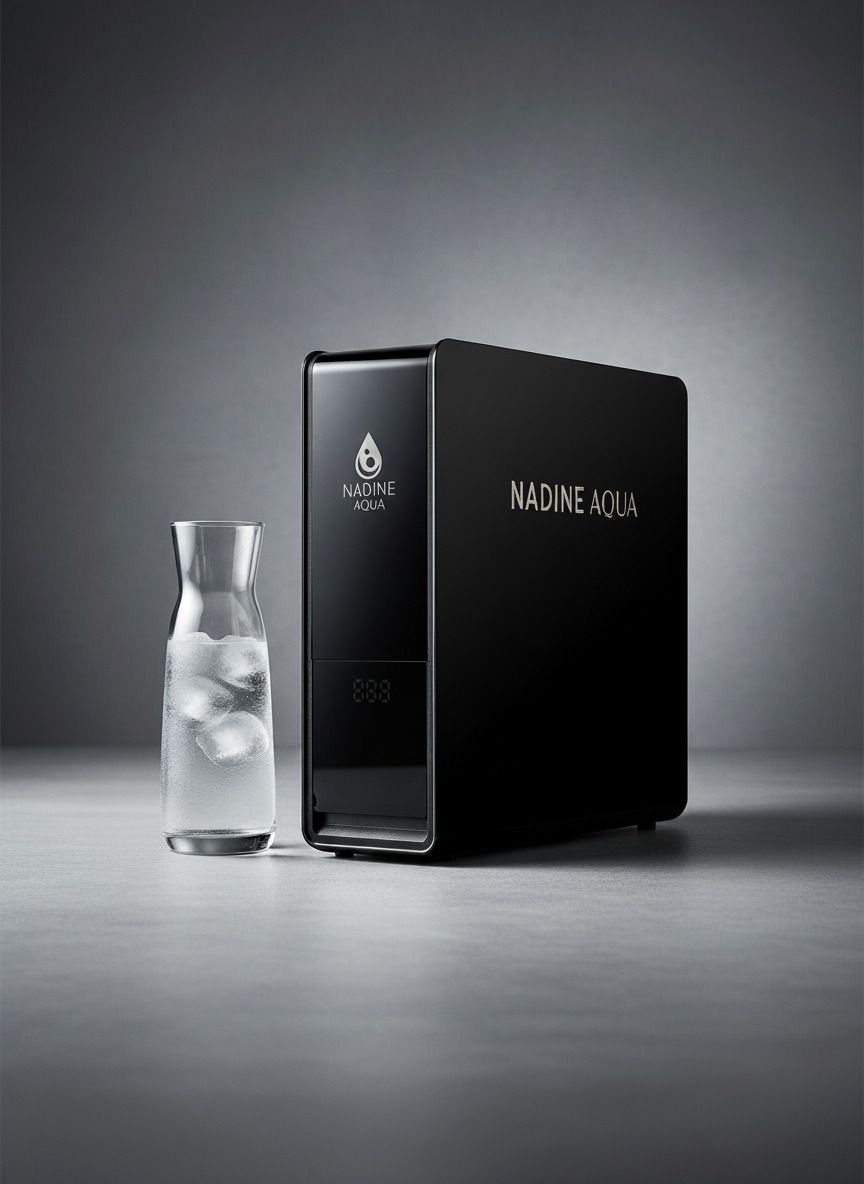
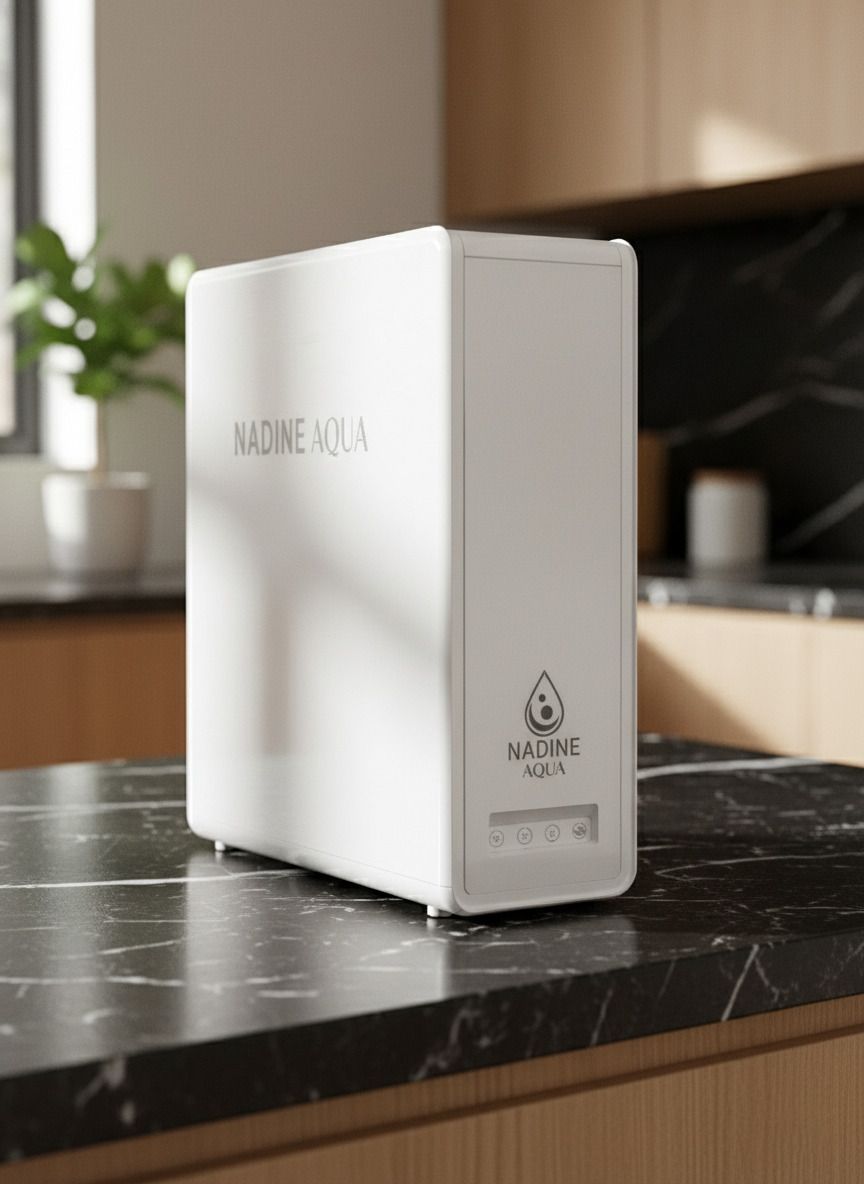
A modern system combines multi-stage filtration, compact engineering, and some form of digital monitoring, without sacrificing filtration power for the sake of looking sleek. Our 11-stage advanced filtration systems remove sediment, chemicals, and heavy metals while staying small enough to fit inside a standard kitchen cabinet. Modern doesn't mean minimal protection. It means smarter engineering behind the same serious filtration job.
Smart Features That Provide Genuine Everyday Value
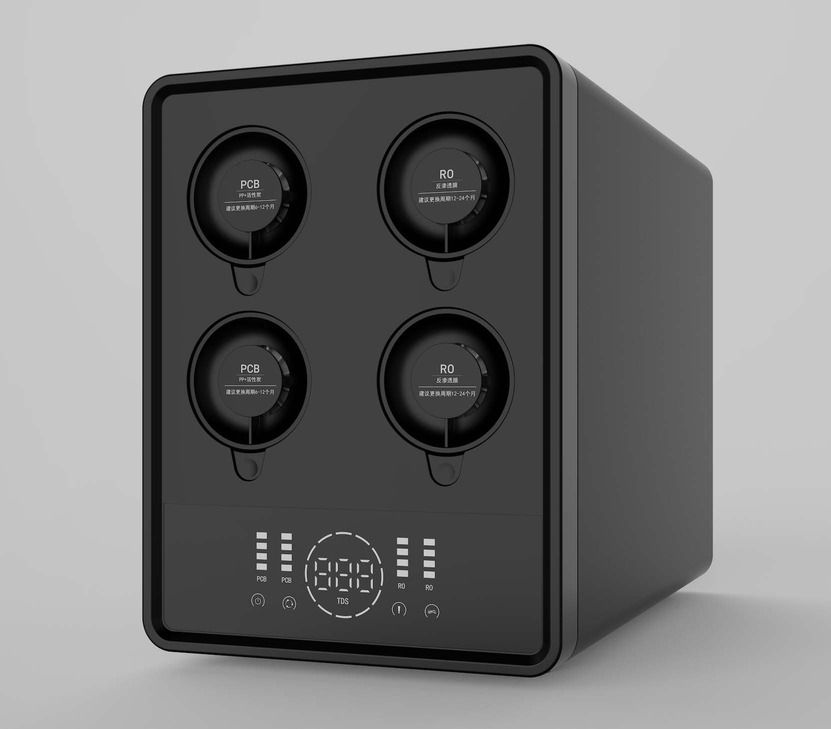
Digital filter life indicators are one of the few smart features that consistently deliver value. Instead of guessing when to change a filter, you get a clear signal before performance drops. Our smart faucet water filter models include this feature so you're never caught off guard with a half-filtered glass of water.
UV LED purification is another genuinely useful addition, since it adds a layer of protection against bacteria and viruses that carbon and RO stages alone don't fully address.
Smart Features That Are Mostly Just Marketing
Not every "smart" claim adds real value. App connectivity that only shows a filter percentage you could get from a simple light indicator isn't solving anything new. Overly complex touchscreens on a kitchen faucet often just mean more things that can break over time.
We keep our digital displays simple and functional on purpose, because you shouldn't need a manual to understand your water filter.
How Filtration Technology Has Evolved Over the Past Decade
Ten years ago, most home filters relied on a single carbon stage and bulky tanks that ate up cabinet space. Today's systems, including ours, layer sediment filters, carbon filters, RO membranes, and UV sterilization together for far more complete protection. Flow rates have also improved dramatically, with some of our models now reaching up to 1,000 GPD without losing filtration quality.
Energy and Water Efficiency Improvements That Matter
Older RO systems wasted a significant amount of water for every gallon filtered. Modern membrane technology has narrowed that gap considerably, and tankless designs like ours reduce standby energy use since there's no tank constantly maintaining pressure. Efficiency isn't just an environmental talking point here. It directly affects your utility bill.
Compact Engineering Innovations Inside Modern Systems
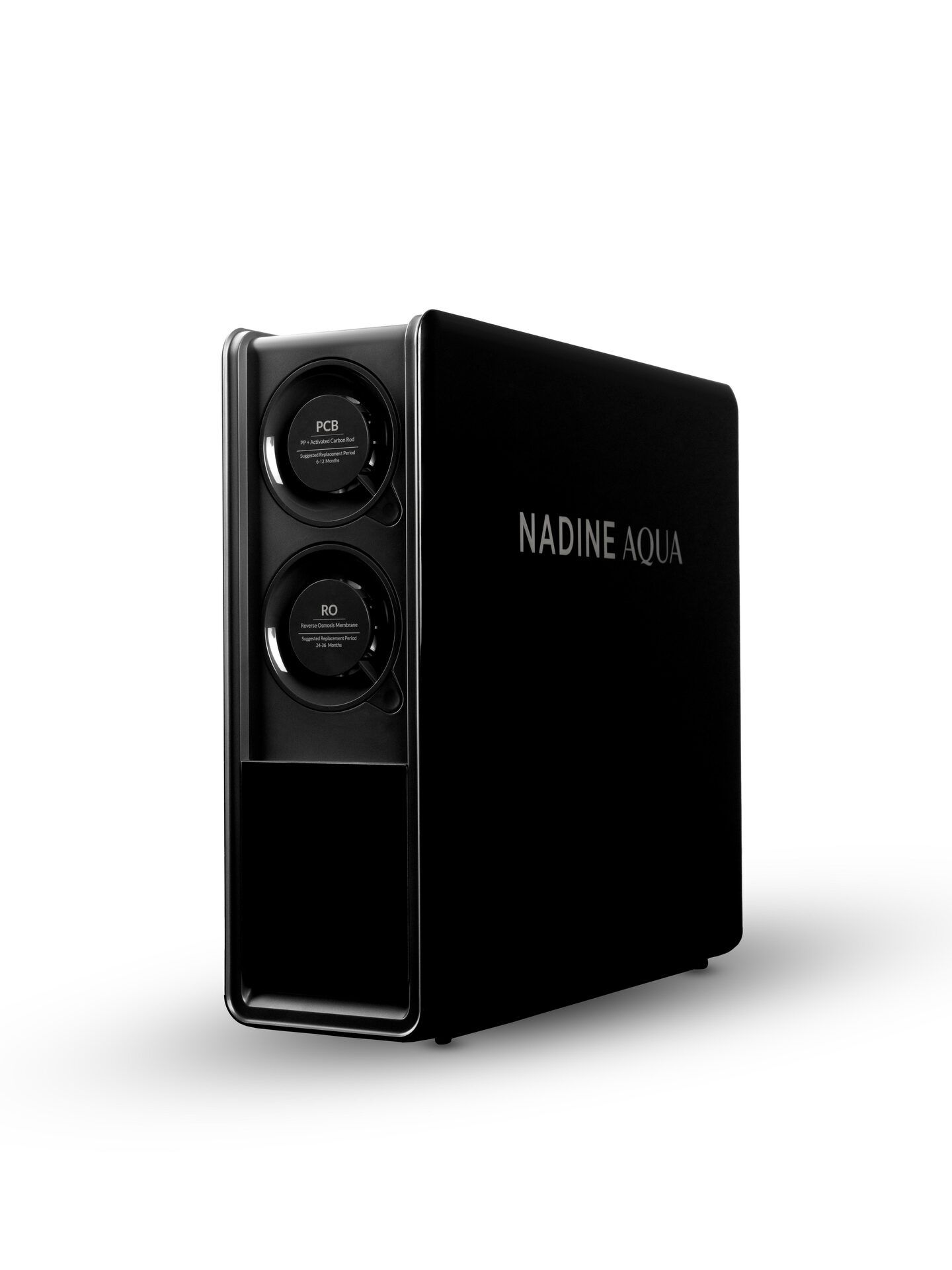
Compact design isn't just about a smaller box. It's about rethinking internal layout so every filtration stage still gets full contact time with water. Our compact design water filter models fit within tight under-sink spaces while keeping the same 11-stage filtration power as larger units, saving up to 70% of space compared to older tank-based designs.
User Experience Improvements Beyond Filtration Power
A three-way faucet or three-way spigot is one of the simplest upgrades that changes daily use. Instead of switching bottles or juggling separate taps, you get filtered and regular water from one stylish outlet without drilling extra holes in your countertop.
Modern kitchens prioritise clean lines and minimal clutter. A tankless, under-sink system with a sleek faucet keeps your counters free of bulky pitchers or standalone units. It's filtration that works quietly in the background instead of competing for visual space.
How to Tell Real Innovation from Advertising Language
Real innovation solves a specific, measurable problem, like reducing water waste or extending filter life. Advertising language just adds adjectives without changing performance. If a brand can't explain the "why" behind a feature in one sentence, that's usually a sign it's decoration, not function.
Frequently Asked Questions
What makes a water filtration system "smart" instead of just modern?
A smart water filter uses digital monitoring, like filter life indicators or maintenance alerts, to actively communicate performance status to the user. Modern design alone refers to compact engineering and improved filtration technology. Combining both creates a system that's efficient and easy to maintain long-term.
Do smart filtration features increase the price significantly?
Genuinely useful features like filter life indicators and UV sterilization add moderate cost but reduce long-term maintenance expenses. Purely cosmetic smart features, like unnecessary app integrations, add cost without meaningful benefit. Comparing feature function against price helps identify real value.
How long do modern RO membranes typically last?
A well-maintained RO membrane in a modern multi-stage system typically lasts 2 to 3 years under normal household use. Lifespan depends on water quality, usage volume, and whether pre-filtration stages like sediment and carbon filters are replaced on schedule.
Are compact modern filters as effective as larger traditional systems?
Yes, when engineered properly, compact systems maintain full contact time between water and each filtration stage despite the smaller footprint. Filtration effectiveness depends on stage design and membrane quality, not overall unit size. Compact engineering focuses on efficient layout, not reduced performance.
What is the biggest maintenance advantage of a modern filtration system?
Digital maintenance alerts remove the guesswork from filter replacement timing, preventing both premature changes and overdue filters. This keeps water quality consistent year-round without manual tracking. It also helps avoid unexpected drops in flow rate or filtration performance.