PFAS in Drinking Water: Do UAE Homes Need PFAS Removal Filters?
Most people in the UAE feel confident about their tap water. It looks clean, it smells fine, and it runs through a treatment process before reaching the home. But there's a group of chemicals that standard treatment doesn't always catch, and that's where
PFAS removal filters become a serious conversation worth having.
What Is PFAS and Why Does It Matter?
PFAS stands for per- and polyfluoroalkyl substances. Most people call them forever chemicals in water because the human body and the environment struggle to break them down naturally.
These chemicals show up in everyday products, such as non-stick cookware, food packaging, firefighting foam, and waterproof fabrics. Over time, PFAS compounds find their way into water sources through industrial runoff, soil contamination, and aging infrastructure.
The health concerns linked to long-term PFAS exposure include hormonal disruption, weakened immune function, and increased risk of certain conditions. Families with young children, in particular, have real reason to take this seriously.
Is PFAS Water Contamination a Problem in the UAE?
PFAS in water is still being studied in the UAE, but what we’ve seen globally tells a pretty clear story. This isn’t something limited to heavily industrial countries. PFAS can move through manufacturing, everyday products, and the environment itself, which means contamination isn’t confined to one region.
The UAE has solid water quality standards, and regulators do keep reviewing and updating them. But when it comes to PFAS, the research and rules are still evolving in many parts of the world. For a lot of families, waiting for regulations to fully catch up doesn’t always feel like the safest option, especially if they just want peace of mind about the water they’re using every day.
Home water testing is a smart starting point for anyone who wants to understand what's actually coming through the tap.
How Do PFAS Removal Filters Actually Work?
Basic pitcher filters and simple carbon cartridges can improve taste and reduce some impurities, but they don’t catch everything.
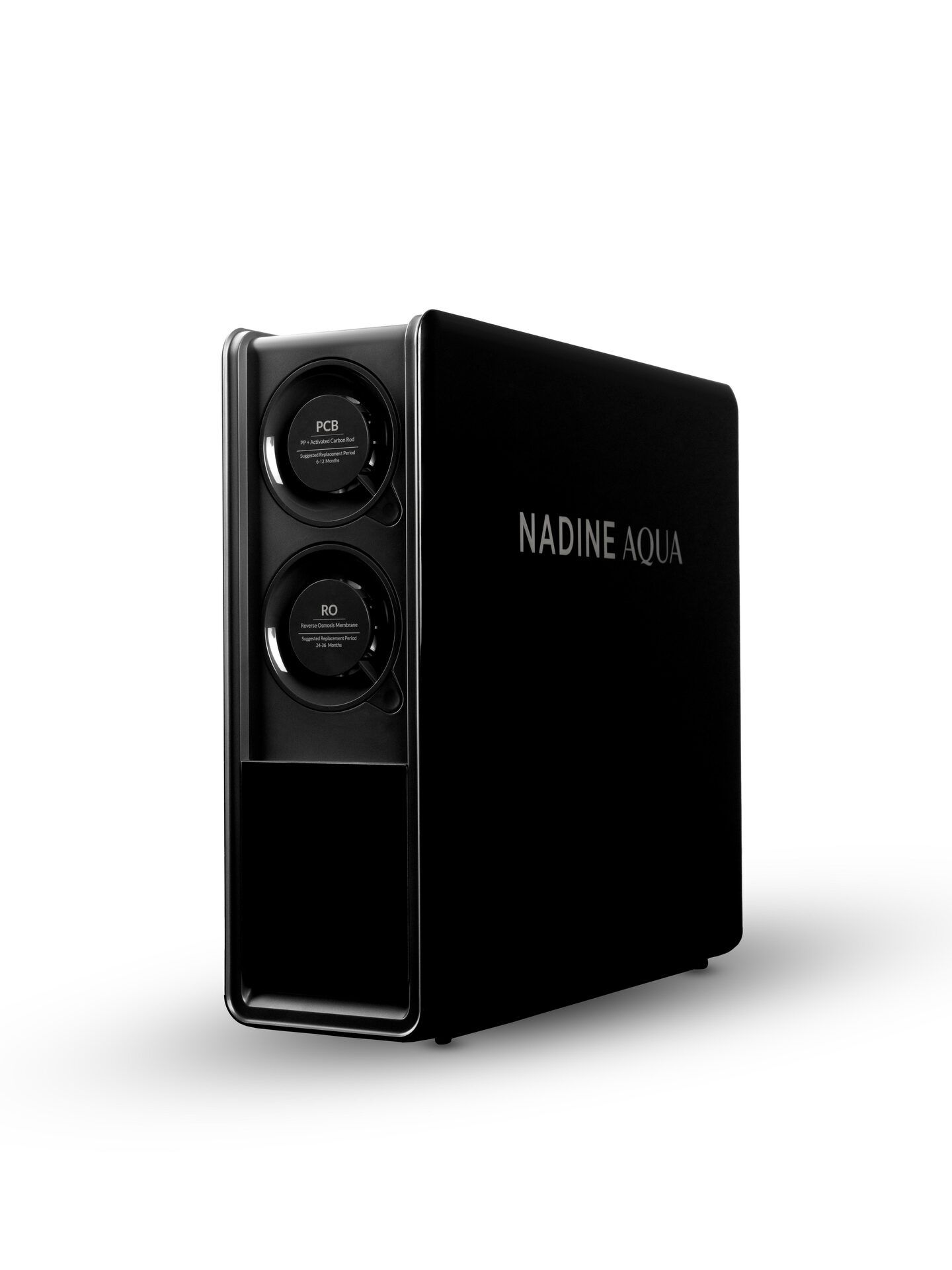
When it comes to PFAS, two methods are usually talked about most. One is activated carbon filtration. In this setup, water passes through a dense carbon block that helps trap certain chemical compounds along the way. High-quality carbon filters can reduce many types of PFAS, especially when the carbon is tightly packed and properly maintained.
Reverse osmosis PFAS removal systems push water through a semi-permeable membrane that blocks a wide range of contaminants, including PFAS compounds. It's currently one of the most thorough filtration methods available for home use.
The best results come from combining both methods in a single multi-stage system.
What Nadine Aqua Offers for PFAS Protection
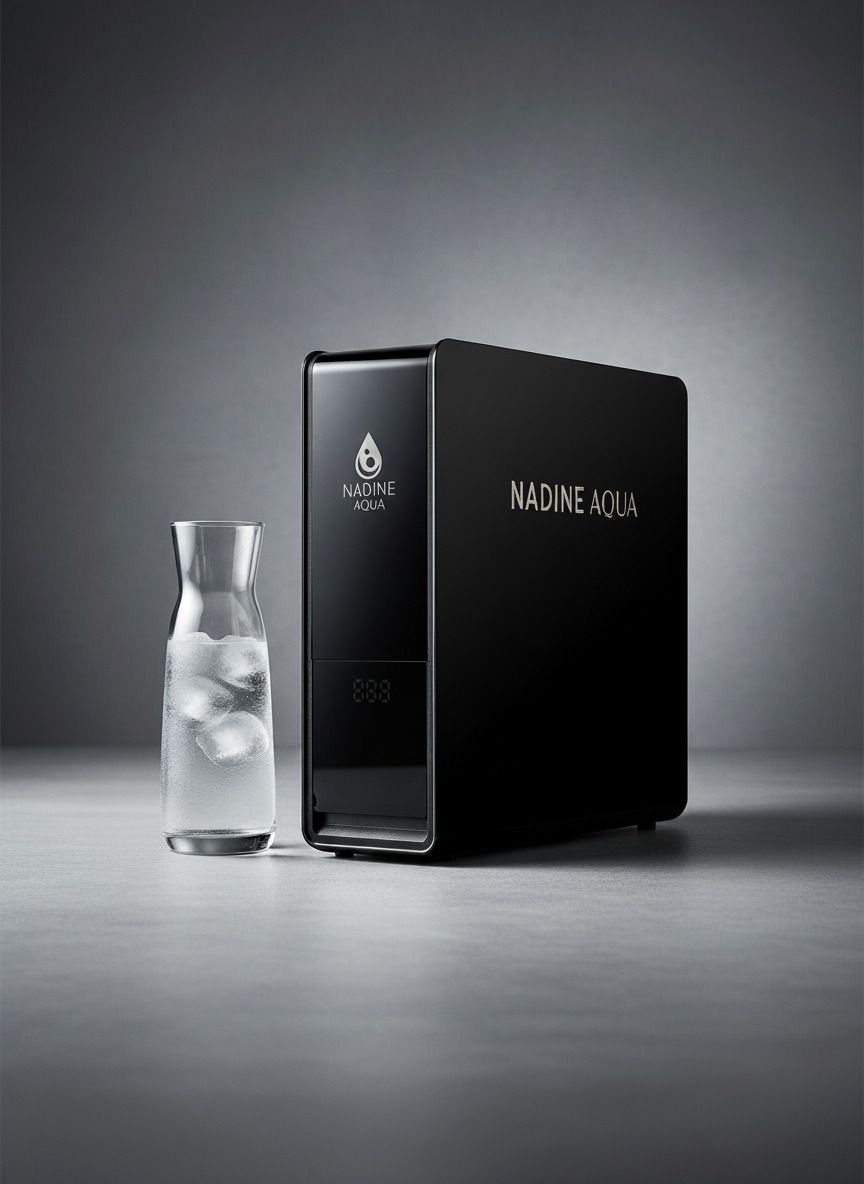
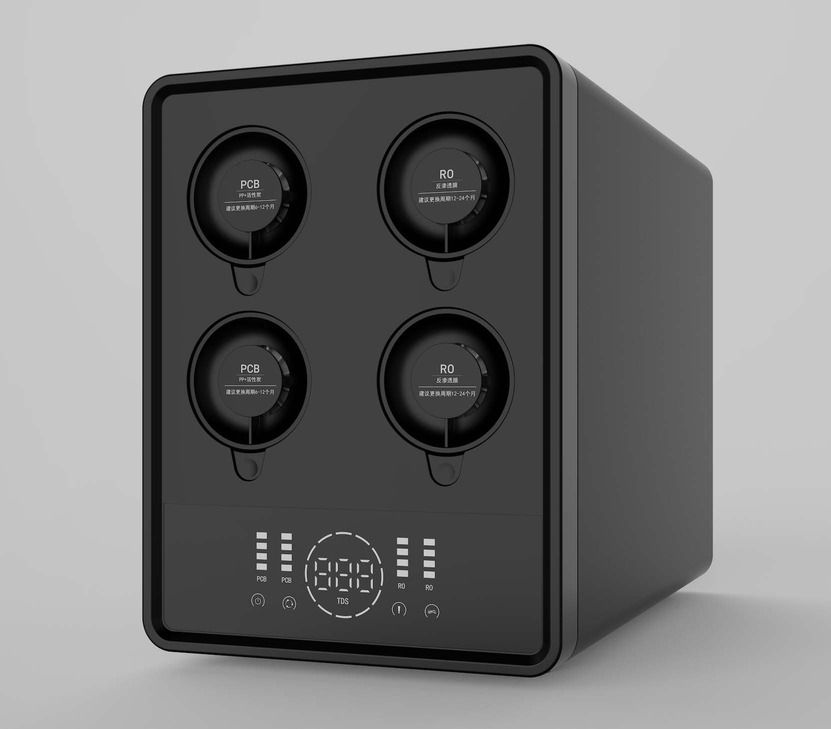
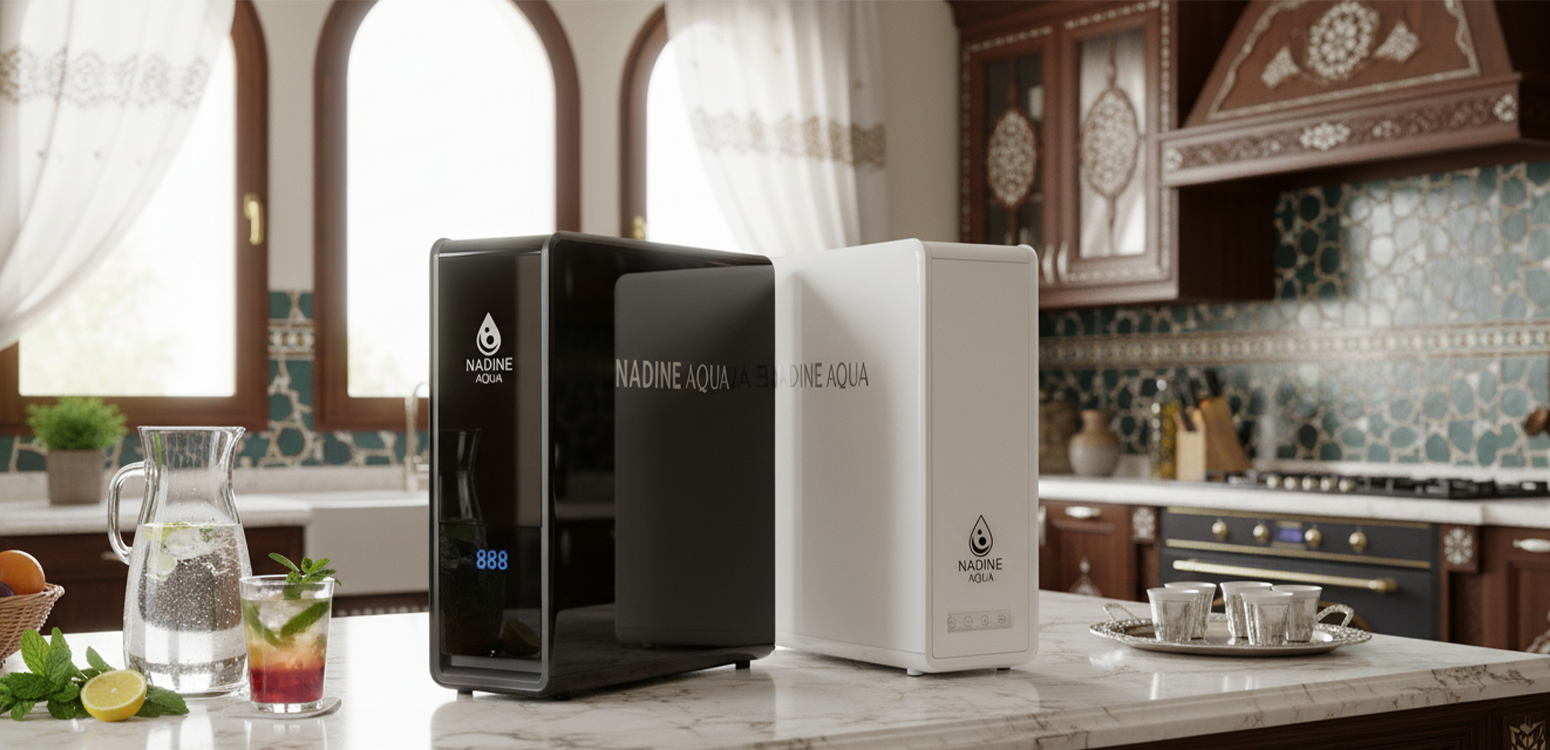
Nadine Aqua builds British-designed water filtration systems that work as fully capable PFAS removal filters for UAE homes. Every system fits neatly under the kitchen sink and runs through an 11-stage filtration process that goes well beyond basic purification.
The 11-stage RO system targets dirt, bacteria, heavy metals, lead, fluoride, chemicals, and PFAS contaminants in one continuous process. Families in Dubai villas, apartments, and larger residential properties can rely on this level of filtration for both drinking water and cooking water.
For property developers and facility managers overseeing residential projects, the PFAS removal filter options from Nadine Aqua offer a practical and scalable solution across multiple units.
Should UAE Homeowners Take PFAS Seriously?
The short answer is yes. Drinking water safety isn't just about what's visible or what tastes off. PFAS compounds are invisible, odorless, and persistent. The smartest move is to filter them out before they reach the glass.
A high-quality PFAS removal filter from Nadine Aqua turns that concern into something manageable, quietly, efficiently, and every single day.