How Poor Water Quality Affects Your Health (UAE Perspective)
Most people think about water quality when something is obviously wrong: a strange taste, an unusual smell, or discoloration. But the more significant health effects of poor water quality often build quietly over time, without any obvious warning signs.
In the UAE, where most drinking water comes from desalination and passes through building distribution systems before reaching the tap, understanding what can go wrong with water quality is genuinely important for everyday health decisions.
This blog covers:
● What poor water quality health effects actually look like
● How waterborne diseases and contamination risks apply to the UAE
● The specific health impacts of heavy metals, chlorine, bacteria, and hard water
● Skin and digestive effects that many people don't associate with water
● What a quality filtration system does to reduce these risks
Why Poor Water Quality Is a Gradual Problem, Not an Obvious One
Contaminated water risks in the UAE are not typically dramatic. Residents aren't usually exposed to severely polluted water in a single event. The concern is more nuanced.
Contaminants at low concentrations, such as bacteria, chlorine byproducts, trace heavy metals, or sediment, don't cause immediate obvious illness in most healthy adults. The effects accumulate over weeks, months, or years.
This is what makes poor water quality health effects easy to overlook. Recurring digestive discomfort gets attributed to food. Persistent skin irritation gets blamed on the weather. Chronic fatigue stays unexplained. The connection to water quality is rarely the first consideration.
Understanding what's potentially in unfiltered water and how it affects the body changes the conversation from abstract concern to practical decision-making.
Bacteria in Water: The Risk That Lives in Distribution Systems
Waterborne diseases are more commonly associated with developing countries, but bacteria in water is a genuine concern even in countries with advanced water treatment because treatment is not the final step.
In the UAE, water doesn’t go straight from the treatment plant to your tap. It travels through pipes and usually sits in rooftop tanks before it reaches your home. That’s where things can change.
When water sits in storage, especially in the heat, it can become a place where bacteria start to grow. One example people often hear about is Legionella, which can develop in warm, stored water. There are other ways contamination can happen too, like poorly maintained tanks, small cracks in pipes, or just older systems.
The tricky part is, if water quality isn’t great, the signs aren’t always obvious. It might show up as mild stomach issues or breathing problems, things people don’t always link back to water right away.
Heavy Metals in Water: Where They Come From
When it comes to metals in water, the issue usually isn’t the treatment process. It’s what happens after.
As water moves through pipes, especially in older buildings, small amounts of metals can mix in. This can come from old plumbing, joints, or general wear and tear in the system.
Different metals have different effects.
Lead is the one people worry about most, especially for children. Even small amounts over time can be harmful.
Copper is more likely to cause things like stomach discomfort if levels are high. Long-term exposure at higher levels can lead to bigger issues.
There can also be trace amounts of other metals, depending on the environment and infrastructure.
What makes this tricky is that you usually won’t notice it. The water can look and taste normal. The only way to really know is through testing.
Chlorine in Water: Helpful, But Not Perfect
Chlorine is added to water for a good reason. It helps kill bacteria and keeps water safe as it travels through the system.
But it’s not completely without downsides.
When chlorine reacts with natural substances in water, it can create compounds known as byproducts. Over time, exposure to these has raised some concerns, especially when it comes to long-term health effects.
This isn’t about immediate danger. It’s more about repeated exposure over years.
That’s why some people choose to filter their water. A basic carbon filter can reduce chlorine and some of these byproducts, which helps improve both taste and overall quality.
Hard Water and Skin: What You Might Notice Over Time
Hard water just means there are more minerals in it, mainly calcium and magnesium. In the UAE, this can vary depending on where you live and the building you’re in.
You might notice it in small ways first. Soap doesn’t lather properly, so you end up using more. After a shower, your skin can feel a bit dry or tight. Over time, that can turn into itchiness, and for some people, it can make skin conditions like eczema worse.
Chlorine plays a part too. It’s added to keep water safe, but it can strip away natural oils from your skin. The same goes for hair. It can start to feel rough or lose its shine after regular exposure.
None of this usually shows up overnight. It builds up slowly. If you’ve been dealing with skin irritation and can’t quite figure out why, water is one of those things worth looking at.
Digestive Issues and Water: What Might Be Going On
Water doesn’t just affect your skin. It can also affect your digestion, though it’s not always obvious.
Some people notice bloating, stomach discomfort, or just feeling off. There can be a few reasons for this.
Bacteria is the most obvious one. If water isn’t fully clean, it can lead to stomach issues. But even when it looks fine, there can be smaller factors at play.
Chlorine, for example, can affect the balance of bacteria in your gut over time. Your digestive system relies on that balance, so even small changes can have an impact.
Sediment or tiny particles in water can also be an issue, especially for people who already have a sensitive stomach.
How a Water Filtration System Helps
For many people in the UAE, the practical solution is a good home filtration system.
An 11-stage water filter works step by step, removing different types of impurities along the way. It handles things like sediment, chlorine, heavy metals, and more, instead of trying to do everything in one go.
Some systems also include UV sterilization, which helps deal with bacteria. That’s especially useful in buildings where water storage tanks may not always be well maintained.
Another important part is adding minerals back in. Filtration can remove everything, including the good stuff. A system that puts minerals back helps balance the water again.
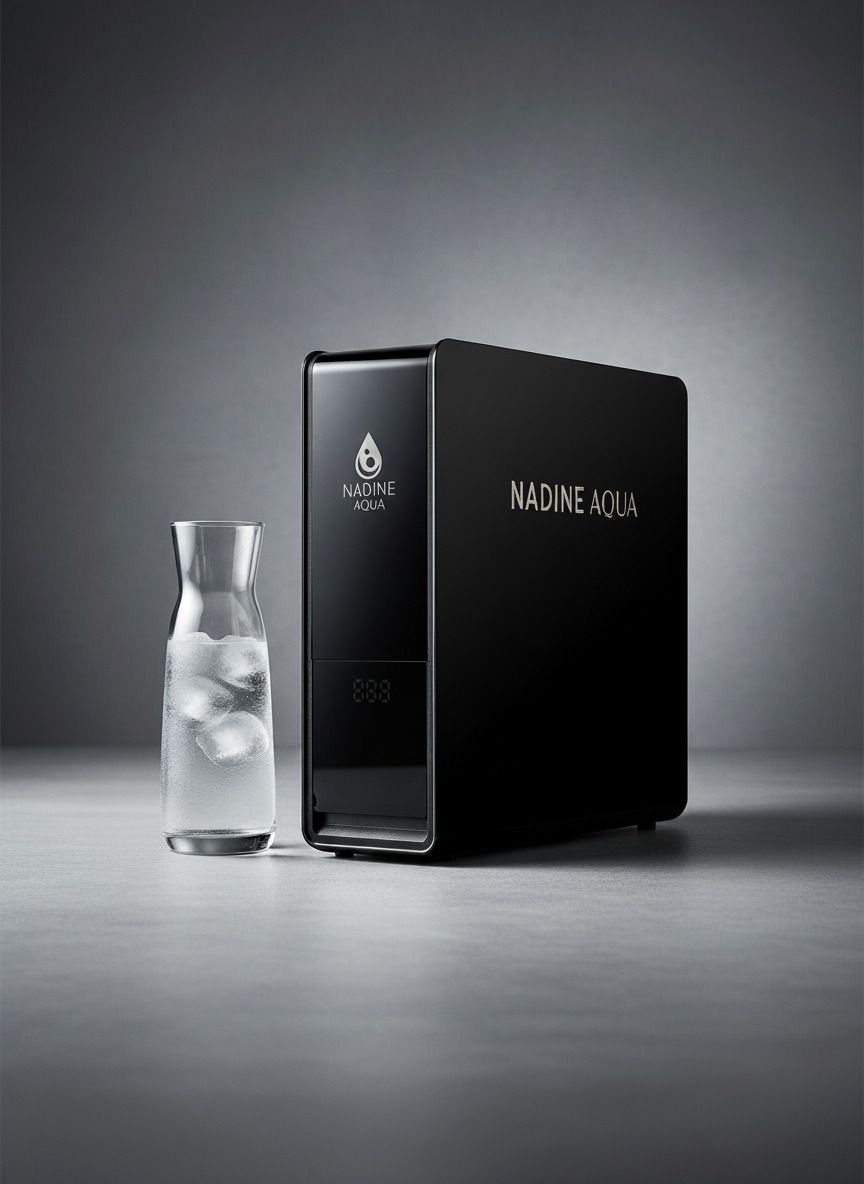
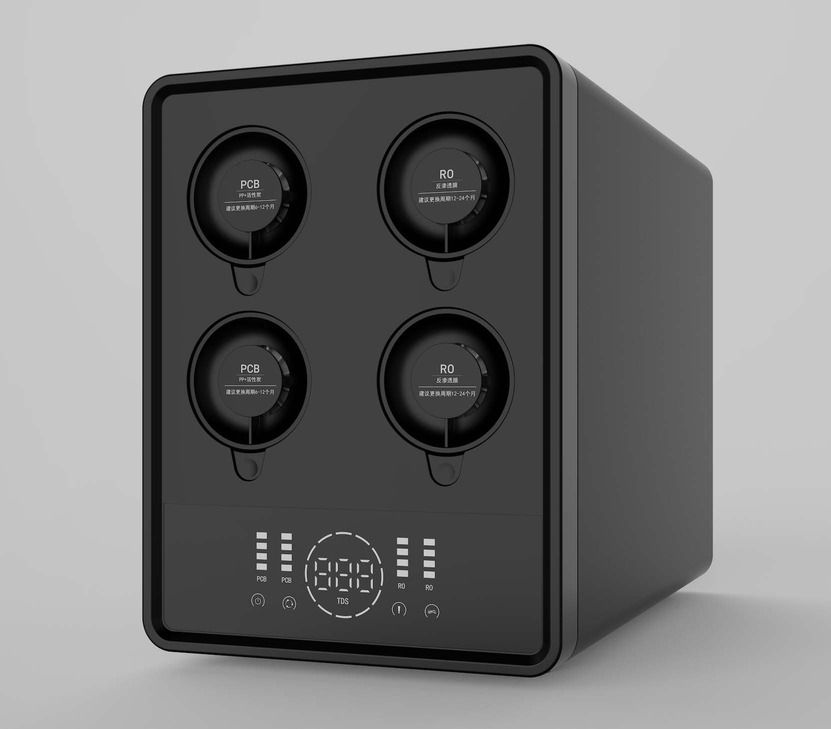
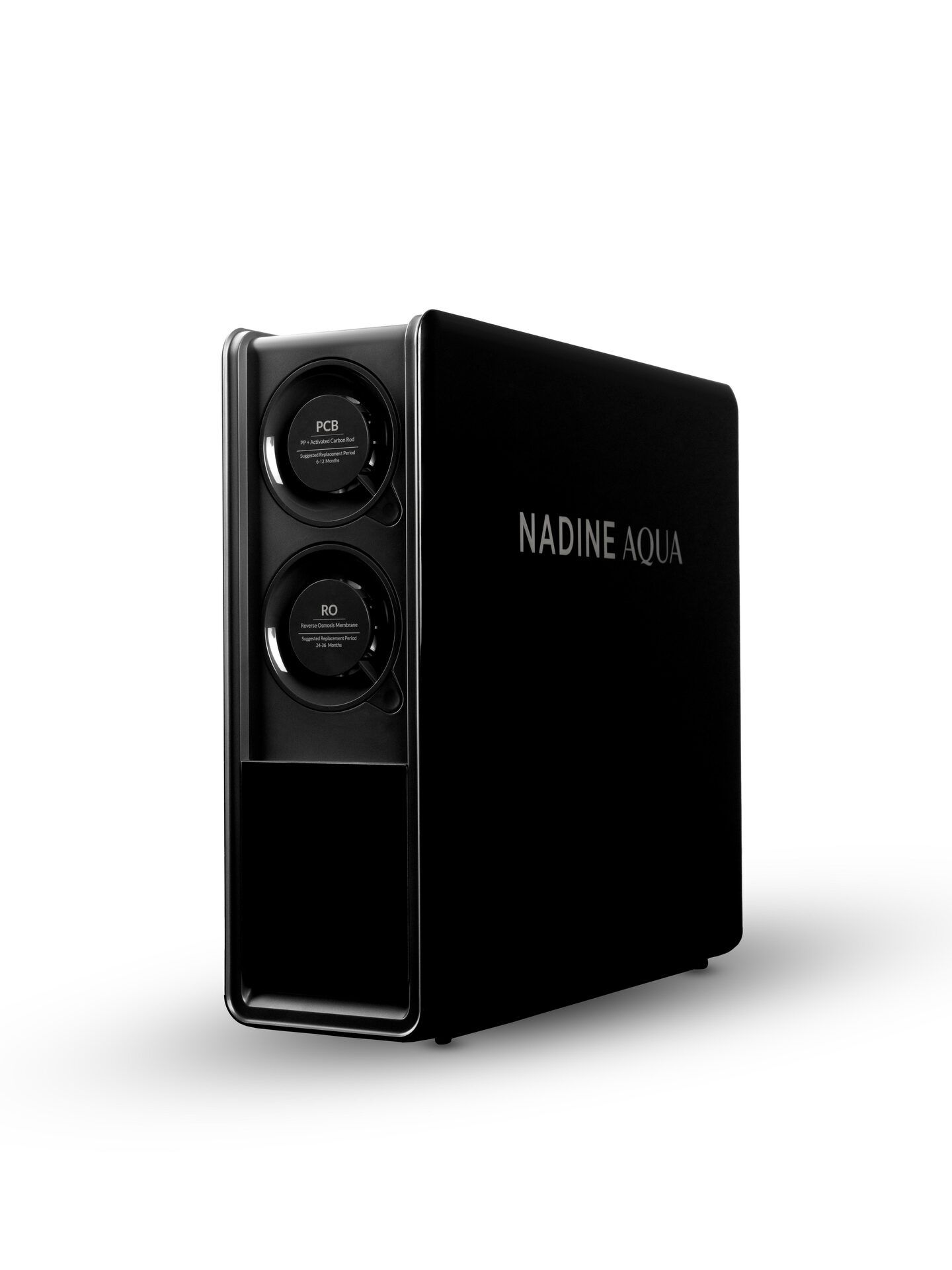
Nadine Aqua systems are designed with these conditions in mind. They combine multi-stage filtration with mineral addition and, in some models, UV sterilization. The tankless design and digital display are added features that make the system easier to use and monitor.
At the end of the day, the goal isn’t just clean water, but water that actually feels better to use and drink.
Conclusion
Poor water quality health effects are real and cumulative. For UAE residents, the distribution system introduces risks that treatment plants don't fully protect against bacteria in tanks, heavy metals in pipes, and chlorine byproducts in the water that reaches the tap.
Understanding these risks makes the case for quality filtration straightforward. Nadine Aqua offers British-designed water filtration systems specifically suited to the UAE water quality context, giving residents confidence that every glass of water is genuinely clean, mineral-rich, and safe.
FAQs
Q1: Can poor water quality affect children more than adults?
Yeah, it can. Kids are just more sensitive overall. Their bodies are still developing, so things like heavy metals or bacteria can affect them more than they would an adult. You might notice they get sick faster, or react more strongly. It’s one of the reasons parents start paying closer attention to water at home.
Q2: Does water quality really affect the food you cook?
It does, even if it’s not obvious at first. If the water has a chlorine taste or too many minerals, it can slightly change how food and drinks turn out. Tea and coffee are the easiest examples, you can usually tell the difference there. It’s not a huge shift, but once you notice it, you can’t really ignore it.
Q3: How can someone actually check their tap water quality in the UAE?
Most people start with a basic test kit, just to get an idea of what’s going on. It won’t tell you everything, but it’s a start. If you want proper clarity, sending a sample to a lab is the better option. That way you’re not guessing, you actually know what you’re dealing with.