7 Mistakes to Avoid When Buying an Advanced RO Water Filter
Let's be honest. Buying bottled water in the UAE every day is expensive.
You're hauling heavy packs home. You're placing weekly delivery orders. And every month, you watch a chunk of your budget disappear into plastic bottles you use once and toss.
There's a better way to get safe drinking water at home. And it costs a lot less.
In this blog, we'll cover:
● What UAE families actually spend on bottled water each month
● Why bottled water costs add up faster than you think
● How a home RO water system changes the math completely
● What a Nadine Aqua system costs vs. what it saves you
● How long before it pays for itself
Let's get into it.
Mistake 1: Is a Cheap RO System Actually Worth Buying?
A lower purchase price does not mean lower overall cost. The real cost of any advanced RO water filter includes filter replacements, service support, and the cost of replacing a system that underperforms within two to three years.
Systems priced lower at purchase often use cheaper filter media with shorter replacement cycles, lack independent certification, or come without local service support in the UAE. Buyers who choose based on price alone frequently spend more over two years than buyers who invested in a better-specified system upfront.
Before comparing prices, check three things: what certifications the system carries, what filter replacements cost, and whether local service support exists. A warranty that cannot be honored locally is not a useful warranty.
Buyer tip: Calculate the two-year total cost including filter replacements, not just the purchase price.
Mistake 2: What Water Quality Factors Should UAE Homeowners Check Before Buying?
Water conditions vary significantly across the UAE, and those conditions determine which filtration technology a household actually needs. Buying without understanding local water quality means buying blind.
UAE homeowners should ask four questions before purchasing any home water filtration system:
● Does the building store water in a rooftop tank? If yes, bacteria can enter the supply after municipal treatment.
● Are the building's pipes older? Older plumbing can introduce trace metals including lead and copper after municipal filtration.
● What is the current TDS reading? A simple digital TDS meter provides an immediate reading of dissolved solids in tap water.
● Is the water noticeably hard? Limescale deposits on kettles and taps indicate elevated calcium and magnesium levels.
The answers to these questions shape every other buying decision.
According to the World Health Organization’s Guidelines for Drinking-water Quality (4th Edition, 2022), selecting an appropriate household water treatment method should take local water quality and potential contaminants into account.
Buyer tip: Test water TDS before buying and confirm whether the building uses a rooftop storage tank.
Mistake 3: What Is the Difference Between RO, Carbon, UV, and UF Filtration?
Not every water filter uses the same technology, and not every technology solves the same problem. Choosing the wrong type means paying for filtration that does not address the actual issue.
A practical breakdown of what each technology does:
● Carbon filtration primarily improves taste and odour by reducing chlorine and some organic compounds. It is generally not designed to remove dissolved solids or provide the same level of contaminant reduction as reverse osmosis.
● Ultrafiltration (UF) is designed to remove larger particles and microorganisms but generally does not reduce dissolved solids or many dissolved chemical contaminants.
● UV sterilization neutralizes bacteria and viruses using UV light. UV does not remove dissolved solids or physical particles. UV works best as a final stage in a multi-technology system.
● Reverse osmosis (RO) forces water through a 0.0001 µm semi-permeable membrane, making it one of the most comprehensive household water filtration technologies for reducing a broad range of dissolved contaminants, including dissolved solids, heavy metals, PFAS, and fluoride.
For UAE homes dealing with chlorinated desalinated water, elevated TDS, and rooftop tank exposure, a reverse osmosis water filter combined with UV sterilization and alkaline remineralization addresses the widest range of concerns in one system. A carbon filter alone does not.
Buyer tip: Match filtration technology to actual water conditions, not to marketing claims about stage count.
Mistake 4: What GPD Flow Rate Does a UAE Family Actually Need?
GPD stands for gallons per day. It measures how much purified water an RO system produces in 24 hours. Choosing a flow rate too low for household size means slower output, longer waits, and a system that cannot keep pace with daily demand.
A practical guide for UAE households:
● For one to two people, an RO system with sufficient flow capacity for everyday drinking, cooking, and hot beverages is usually enough. Many modern residential tankless systems start at around 800 GPD.
● For families of three to five people, a 1,000 GPD system offers higher flow rates to comfortably meet greater daily demand without waiting.
● For restaurants, cafés, gyms, offices, and other commercial settings, a 1,500 GPD commercial RO system is better suited to continuous, high-volume water use.
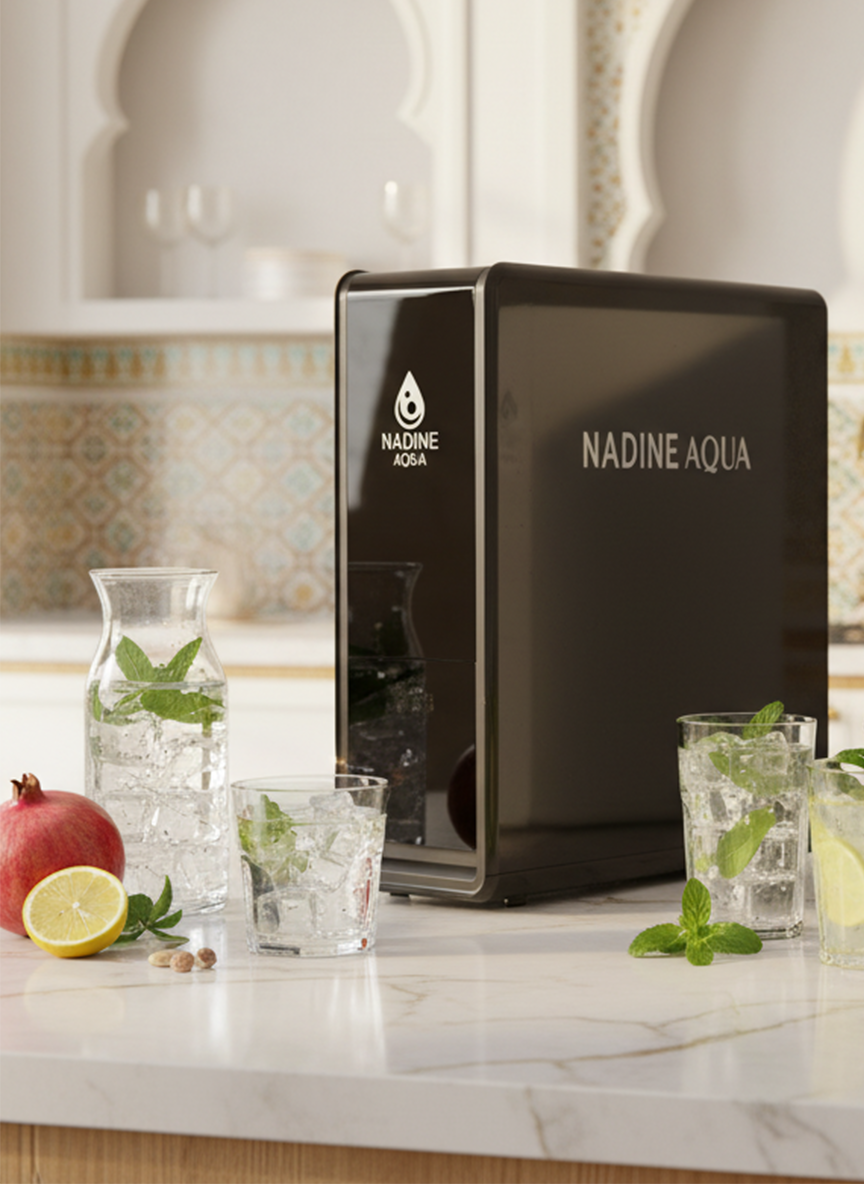
Older tank-based RO systems generally produce water more slowly than modern tankless systems, which deliver purified water on demand without relying on a storage tank. This provides faster water flow while freeing up valuable under-sink cabinet space.
Buyer tip: Match GPD to household size. Bigger is not always necessary, and too small creates daily inconvenience.
Mistake 5: What Installation Requirements Should Buyers Check Before Purchasing?
Many buyers research filtration performance thoroughly but overlook practical installation requirements until the system arrives. This leads to systems that do not fit available space or require unexpected plumbing work.
Installation factors worth confirming before buying any under sink RO water filter:
● Cabinet space: Traditional tank-based systems require a large pressurized storage tank under the sink. A tankless RO system removes this requirement and saves significant cabinet space.
● Existing plumbing: Most under-sink systems connect to the cold water supply line and waste pipe. Confirming access to both beforehand prevents installation surprises.
● Faucet requirements: Some systems require an additional faucet or suitable mounting space. Depending on the existing kitchen setup, installation may also require a faucet adapter or minor plumbing adjustments.
● Installation support: Check whether the supplier provides local UAE installation support or whether the system suits straightforward DIY setup. Local support availability varies significantly between brands.
Buyer tip: Measure the under-sink cabinet before buying. A compact tankless system fits spaces where a tank-based system cannot.
Mistake 6: How Much Maintenance Does an RO Water Filter Require in the UAE?
An RO system is not a one-time purchase. Every system requires regular filter replacement, and the replacement schedule depends on the manufacturer’s recommendations, local water quality, and household water usage.
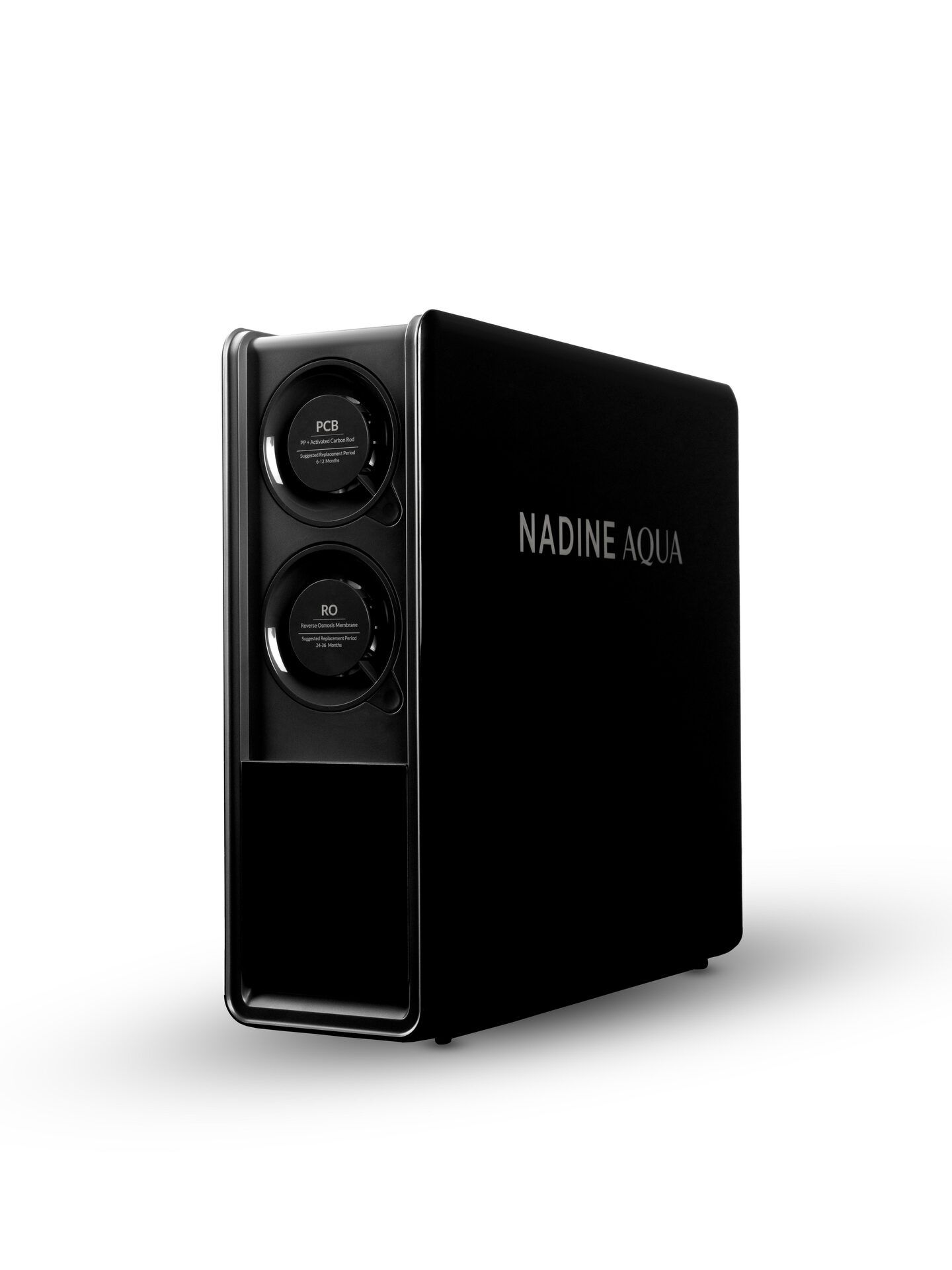
● Sediment and carbon pre-filters should be replaced according to the manufacturer’s recommended schedule and may require more frequent changes in homes with higher water consumption or challenging water conditions.
● The RO membrane typically lasts longer than the pre-filters, although its lifespan depends on water quality, usage, and timely maintenance.
● Post-filtration cartridges, including remineralization filters where fitted, should also be replaced according to the manufacturer’s guidance to maintain water quality and system performance.
Before buying any RO system, confirm the recommended replacement schedule, the cost of replacement filters, and whether replacement cartridges and local service support are readily available in the UAE.
For a full guide on UAE-specific replacement schedules, read Straightforward Filter Replacement in UAE: What Homeowners Should Expect.
Buyer tip: Factor in filter replacement costs and local availability before committing to any system.
Mistake 7: Is Choosing More Specifications the Right Way to Pick an RO System?
Specifications do not solve problems. The right specification for a household is the one that matches actual needs, not the highest number on a comparison chart.
Many buyers chase higher stage counts, higher GPD, and more screen features without asking the more important question: what problem does this household actually need to solve?
A couple in a newer Dubai apartment with direct supply and low TDS has different requirements than a family of five in an older villa with a rooftop storage tank, elevated TDS, and older plumbing. Buying a 1,500 GPD commercial-grade system for the first household solves no real problem. Buying a basic carbon filter for the second household leaves significant concerns unaddressed.
The right approach starts with the problem, not the spec sheet. Identify the specific water quality concerns, the household size, the kitchen space, and the maintenance budget. Then choose a drinking water purifier in the UAE that matches those answers.
Buyer tip: Ask "what problem am I solving?" before comparing any specifications.
Checklist Before Buying an RO Water Filter in the UAE
Use this checklist before committing to any purchase:
● Test water TDS and note whether the building uses a rooftop storage tank
● Identify specific water quality concerns: chlorine, TDS, hard water, bacteria, lead, PFAS
● Confirm household size and calculate appropriate GPD flow rate
● Measure available under-sink cabinet space
● Match filtration technology to actual water conditions: RO, UV, carbon, or a combined system
● Check certifications: NSF/ANSI 58, CE, and local compliance
● Confirm filter replacement costs and local availability in the UAE
● Check warranty terms and whether local service support exists
● Confirm whether installation is DIY-friendly or requires a plumber
How Nadine Aqua Addresses These Buying Mistakes
For UAE homeowners who work through this checklist, Nadine Aqua systems address many of the common buying concerns in a single, locally-supported package.
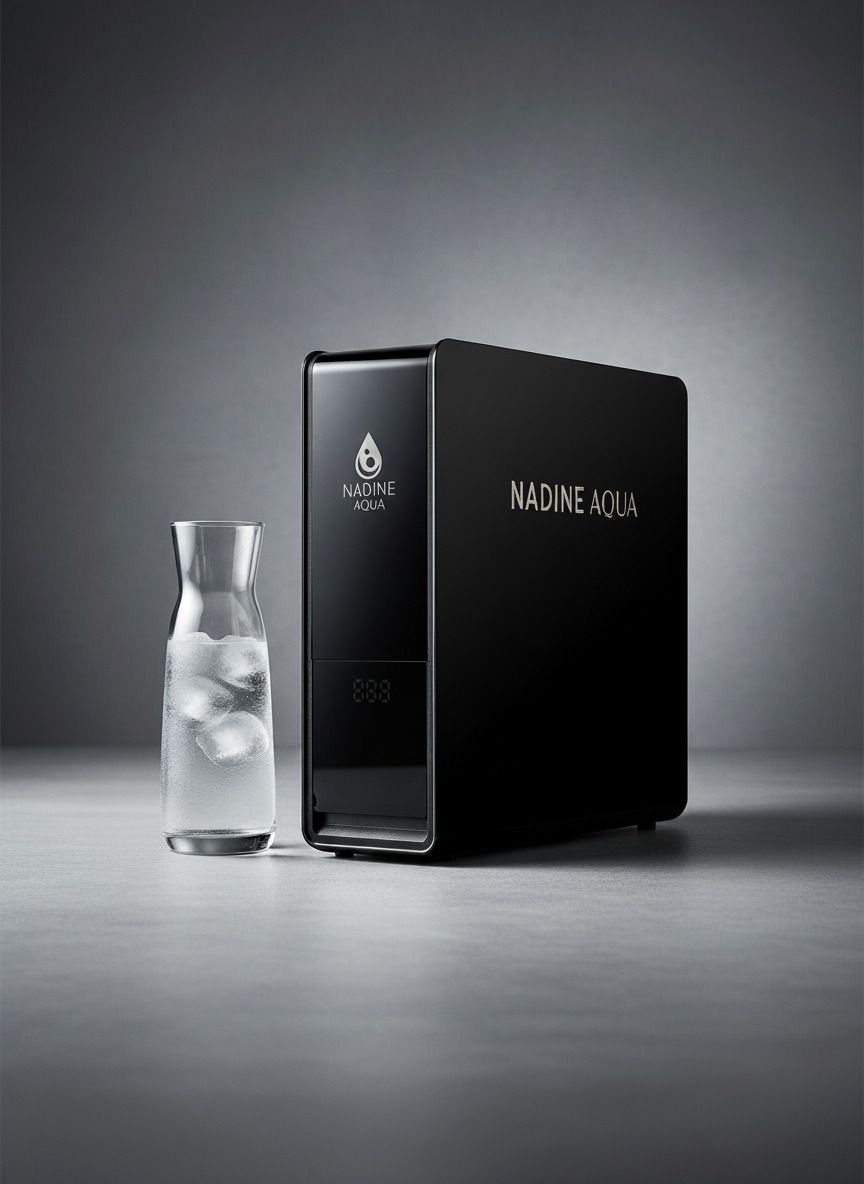
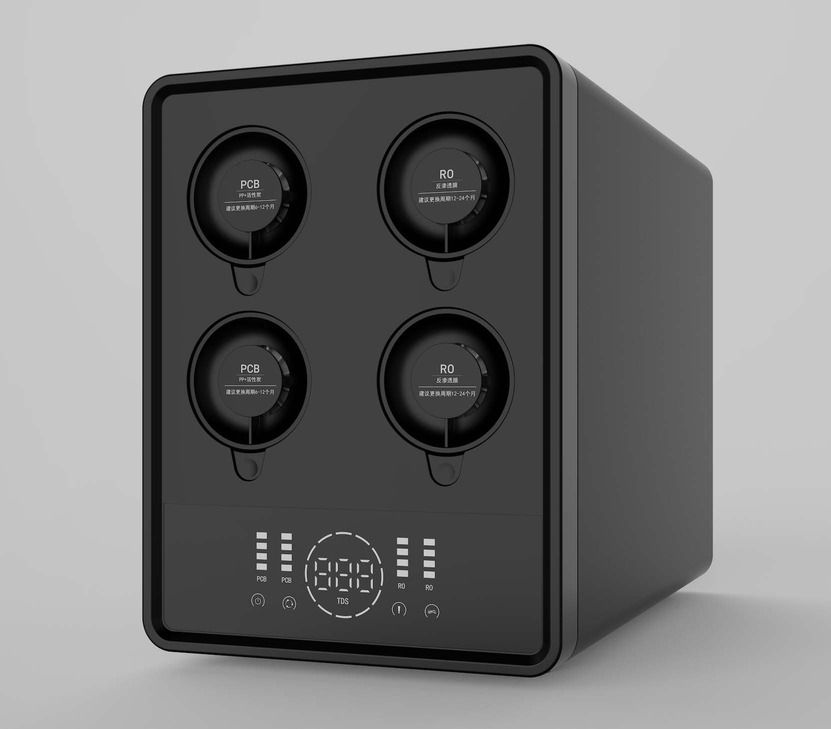
Across the Nadine Aqua residential range, homeowners can choose from systems that include 11-stage reverse osmosis filtration, compact tankless designs, alkaline remineralization, and, on selected models, UV sterilization and smart digital monitoring.
Flow rates across the residential range start at 800 GPD, with 1,000 GPD models available for larger households. Selected Nadine Aqua models include smart digital monitoring that helps homeowners track filter life and system performance.
The range also includes dual-outlet functionality, local installation support, and replacement filters that are readily available within the UAE, helping homeowners maintain their systems more conveniently over time.
Final Thoughts
Buying an advanced RO water filter is a long-term decision for a UAE household. The right system performs well for years because it matches actual water conditions, actual household needs, and a realistic maintenance budget.
Taking time to check water quality, calculate flow rate needs, confirm installation requirements, and understand maintenance costs before buying leads to a better outcome than comparing prices and stage counts alone. A system that ticks every box on paper but does not fit the kitchen, the water, or the budget is the wrong system regardless of the spec sheet.
Frequently Asked Questions
What should a buyer check before purchasing an RO water filter in the UAE?
Before buying, a UAE homeowner should check five things in order: local water TDS level and whether the building uses a rooftop storage tank, household size and the GPD flow rate that matches it, available under-sink cabinet space, what certifications the system carries, and the cost and local availability of replacement filters. Skipping any of these steps makes it easy to buy a system that technically works but does not perform well for the specific home, water conditions, and budget. The checklist in this article covers all five steps in detail.
Is a higher number of filtration stages always better in an RO system?
Not necessarily. More stages are only better if each stage addresses a real and present water quality concern. A system with 11 stages that includes UV sterilization, alkaline remineralization, and multi-layer carbon filtration provides meaningful additional protection for UAE homes with rooftop tanks, older plumbing, and elevated TDS. A system with 11 stages that duplicates the same carbon stage multiple times adds less value. Before counting stages, check what each stage does and confirm it addresses a genuine concern for the home's specific water conditions.
What GPD flow rate does a family of four need from an under sink RO water filter?
A family of four in a UAE apartment or villa typically benefits from an RO system capable of delivering around 800 GPD for consistent on-demand water. Larger households with higher daily water consumption may benefit from 1,000 GPD systems, while commercial environments generally require higher-capacity models. The right choice depends on household size and daily water usage rather than simply choosing the highest available flow rate.
How long do RO filters actually last in UAE water conditions?
Filter replacement intervals depend on the manufacturer’s recommendations, local water quality, and household water usage. Homes with higher TDS levels or heavier daily consumption may require more frequent filter changes than those with lighter usage. Following the recommended maintenance schedule and replacing filters on time helps maintain water quality and prolong the life of the RO membrane.
Is UV sterilization necessary in every UAE home?
UV sterilization is not necessary for every UAE home, but it is strongly worth considering for homes where water passes through a rooftop storage tank before reaching the kitchen tap. Rooftop tanks can allow bacteria and microorganisms to enter the water supply after municipal treatment has already taken place, and a standard RO membrane does not kill bacteria. UV sterilization neutralizes bacteria and viruses at the point of dispense without chemicals. For UAE apartments and villas where rooftop tank maintenance is outside the homeowner's control, an RO system with integrated UV sterilization rather than an afterthought provides a meaningful additional layer of protection.
What is the practical difference between a tankless and a tank-based RO system for a UAE home?
A tank-based reverse osmosis water filter stores purified water in a pressurized tank under the sink and dispenses from that stored supply. The tank takes up most of the under-sink cabinet and water can sit in storage between uses. A tankless RO system produces purified water in real time at the point of demand, requires no storage tank, and saves up to 70 percent of under-sink cabinet space. For most UAE apartments and villas with limited kitchen cabinet space, a tankless system is the more practical choice. Tank-based systems may suit older homes where very low flow rates are acceptable and cabinet space is not a concern.
Are replacement filters easy to find for RO systems in the UAE?
This depends entirely on the brand. Replacement filter availability in the UAE varies significantly between international brands that require online international ordering and brands with local UAE distribution and service networks. Before buying any system, confirming where replacement filters are available, what they cost, and how quickly they can be sourced in the UAE is an important step that many buyers overlook. Running a filter past its replacement date reduces filtration performance and puts extra pressure on the RO membrane, so local availability of replacement cartridges is a practical factor that directly affects how well the system performs over its lifespan.